
Inside the First EGF Go Development Summit

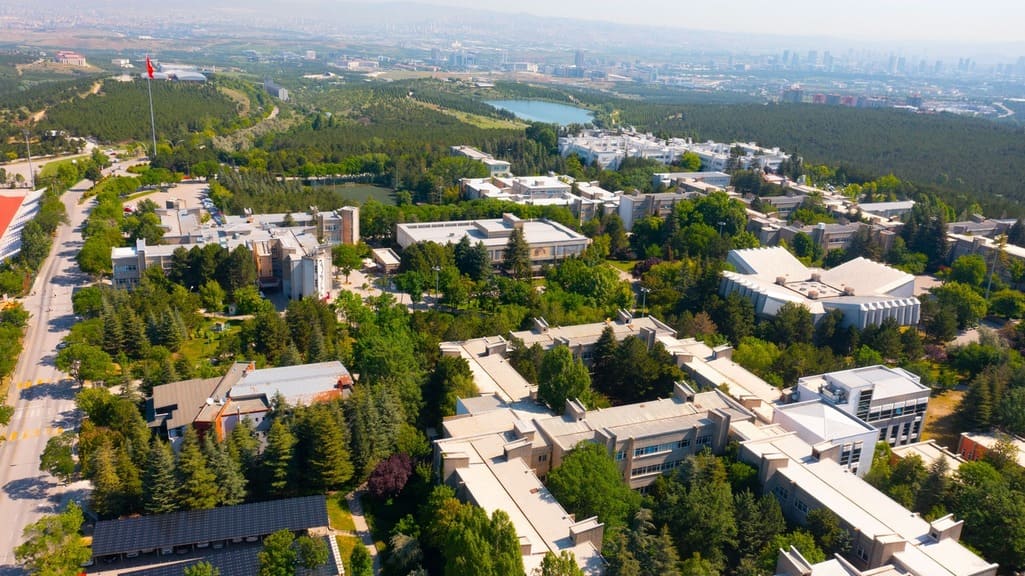
Every European Go Congress produces the same artifacts: pairings, results, a champion, a thousand photographs of people hunched over boards and then having fun together. The 68th edition in Ankara adds a stranger one. For four afternoons at Hacettepe University’s Beytepe Campus, from 27 to 31 July, the congress sets aside a lecture hall where nobody plays a game and everybody talks about what the game needs. This is the first EGF Go Development Summit, and depending on whom you ask, it is either a curious side programme or the most consequential thing happening at the congress.
The idea behind it is simple. Congresses have always been good at competition and teaching, but there was never a structured place to ask how Go is actually taught, how clubs and federations are run, why communities lose players they worked hard to attract, or what research says about the game itself. Earlier in 2026 the Turkish Go Association and the EGC organizing team proposed to the EGF Board that such a forum be created permanently. The Board agreed. The Summit will now travel with the congress, hosted each year by the local organizers, which means the first congress ever held in Türkiye also gets to be remembered as the one where this started.
“Tournaments tell us who is strongest this season; the Summit asks what European Go should look like in twenty years,” says Ahmet Eren Kurter, TGOD President and EGC 2026 Director. Kurter, it should be said, is not limiting himself to organizing. He also takes the floor with his own study on how cognitive load affects heart rate variability in Go players, with 27 participants measured at rest and during problem solving. Several people on this programme wear two or three hats like that.
Wiring Up the Players
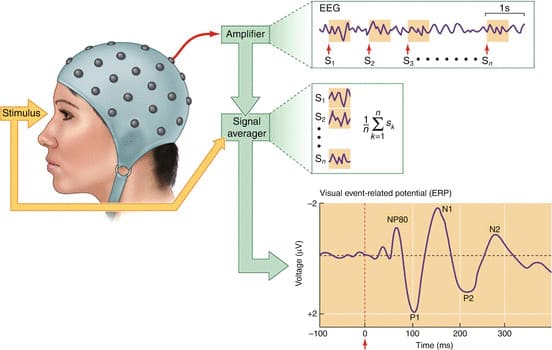
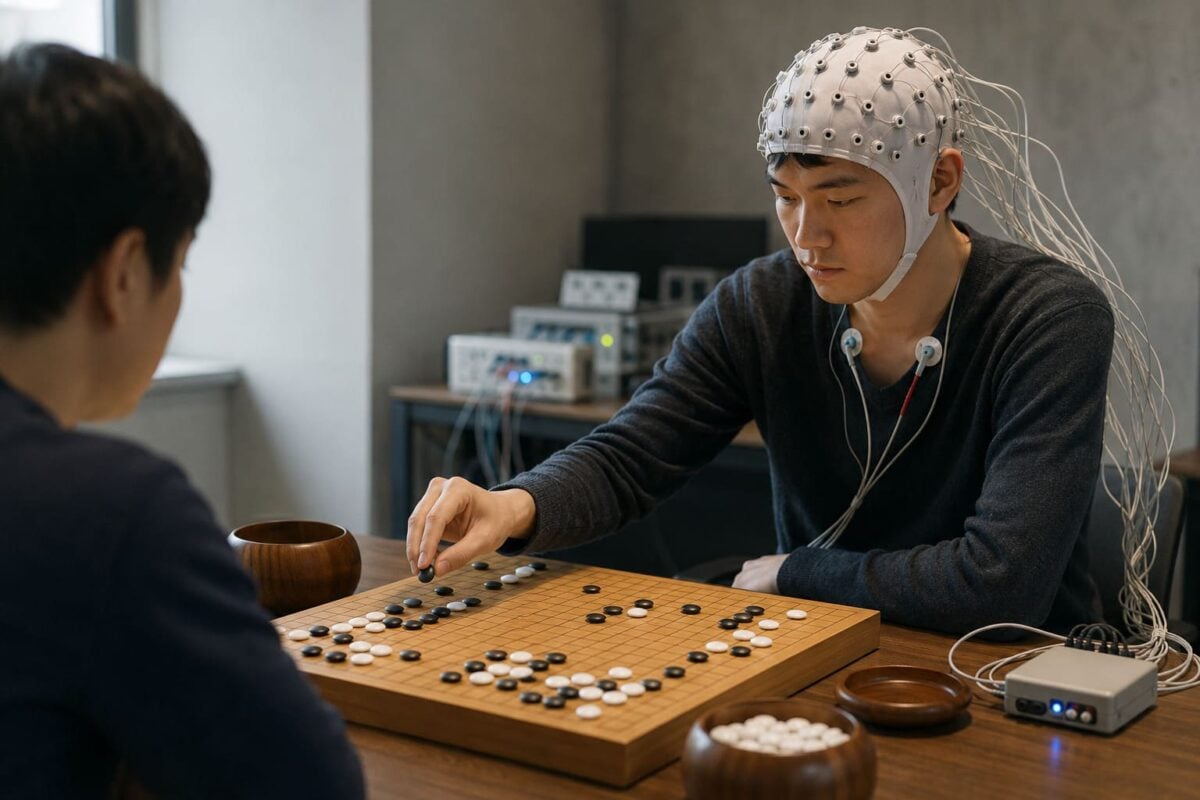
The boldest item on the schedule is Play with Brain, presented by EGF President Prof. Dr. Manja Marz. It is the first live neuroscience experiment to record the brain activity of elite Go players during actual tournament games, with EEG, ECG, muscle sensors, synchronized game records and post-game interviews all running at once. Among the questions the team is chasing: how cognitive load, time pressure and emotion shape brain activity over hours of play, and whether any of it differs between women and men.
Nobody has systematically measured what several hours of peak strategic thinking does to a person, which is a slightly embarrassing gap given how many professions depend on exactly that. Marz names surgery and aviation as fields where the methods could eventually apply.
The rest of the neuroscience panel fills in the picture. Neurologist Prof. Dr. Hilmi Uysal reviews the existing literature: experienced players show increased white matter and enlarged reward centers, and clinical studies report attention improvements in people with Alzheimer’s and ADHD. Assoc. Prof. Dr. Figen Uysal argues for the board as a tool for teaching mathematical thinking. Tuğba Sadak and Asst. Prof. Dr. Atilla Özdemir bring a systematic review of ten studies on Go in education, run under PRISMA 2020 guidelines. Their verdict comes with caveats attached: the evidence points to cognitive, academic and social-emotional benefits, but samples are small, control groups are rare, and better research designs are needed before anyone gets to celebrate. I find the caveats more persuasive than the benefits. When a field is willing to publish its own weaknesses, the strong claims start to mean something.
Chess Lends a Voice
Kübra Öztürk Örenli plays a different game entirely. Türkiye’s first female chess grandmaster comes to talk about equality and courage in mind sports, about the invisible barriers women run into, and about timing: support a girl at the right moment and she opens a path for herself while becoming a reference point for many others. “On the chessboard, the pieces have no gender,” she writes in her abstract.
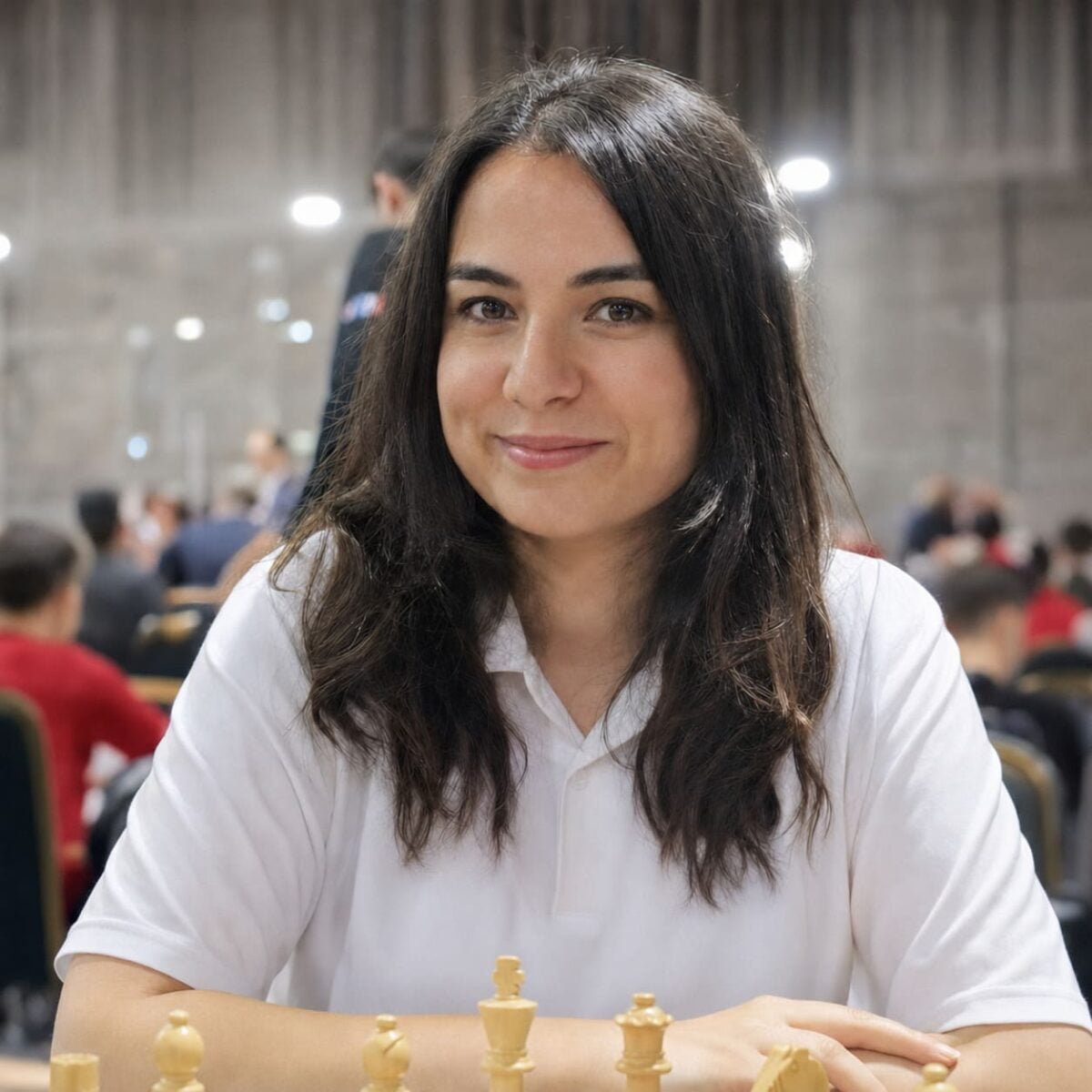
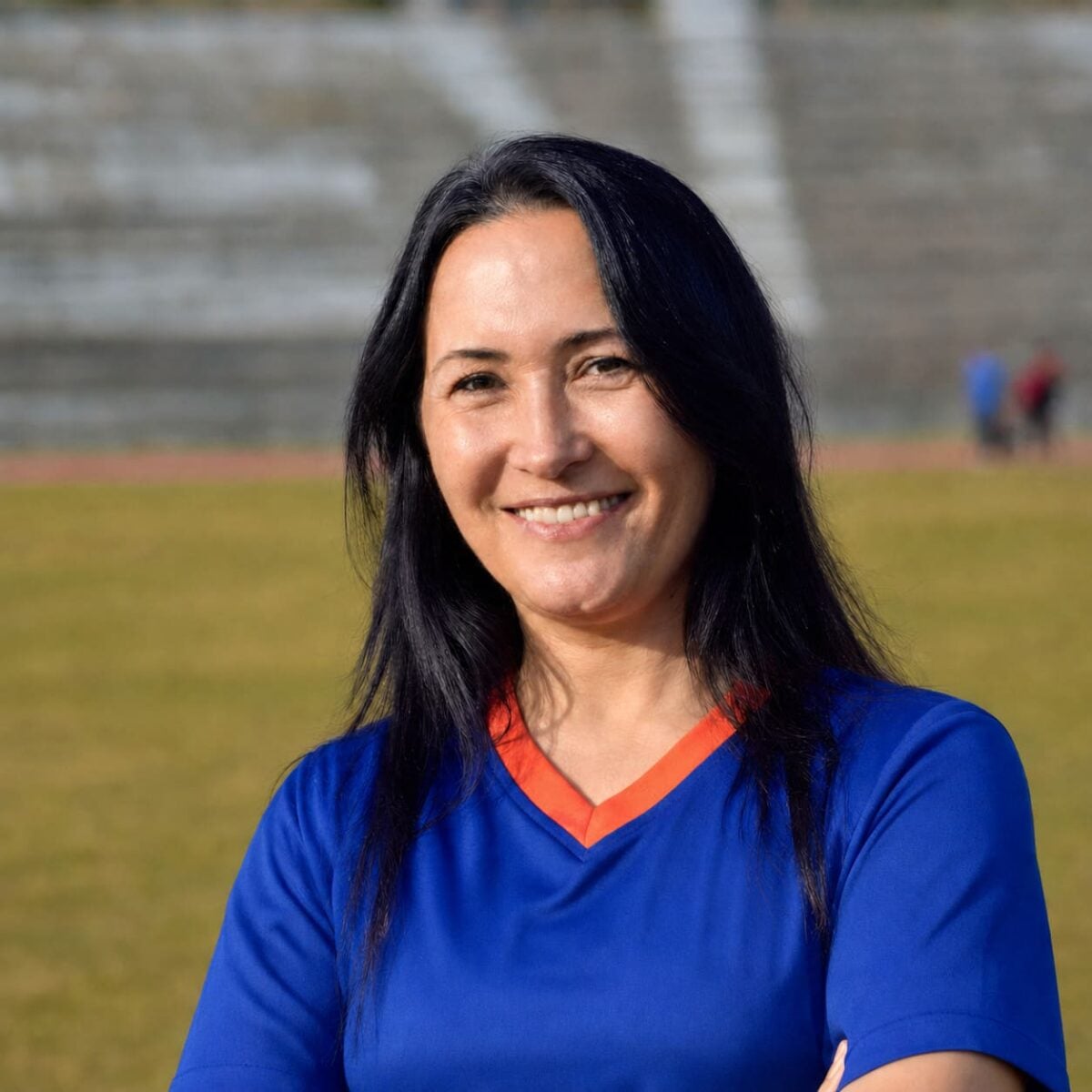
Sport sociologist Prof. Dr. Canan Koca of Hacettepe University, speaking in the same panel, goes after the comfortable metric. Counting female participants misses the point, she argues; the questions that matter are whether women stay in the game, advance to higher levels, and end up in the rooms where decisions are made. Türkiye happens to bring its own experiment on that front. The TGOD Women’s Commission, formed in 2025, started with a nationwide needs survey among women players, then launched the Turkish Women’s Go League in April 2026. After the first season the organizers collected participant feedback and restructured the league around it, and a second season began in June. Very few women’s Go leagues exist anywhere, so whatever happens to this one, other federations will want to know about it.
From Cushions to Accreditation
Prof. Dr. Damir Medak, EGF Vice President, gives his talk the blunt title “Sportifying Go.” His argument runs roughly: national Go associations across Europe already work with official sport authorities, international federations are pushing toward IOC recognition, and a recognized sport needs clearly defined roles for players, coaches and referees, plus governance standards to match. So he lays out a roadmap for a European referee system built at two levels, EGF and national. Nobody applauds a referee accreditation scheme, and that is rather his point. This kind of work never happened before because there was nowhere to do it.
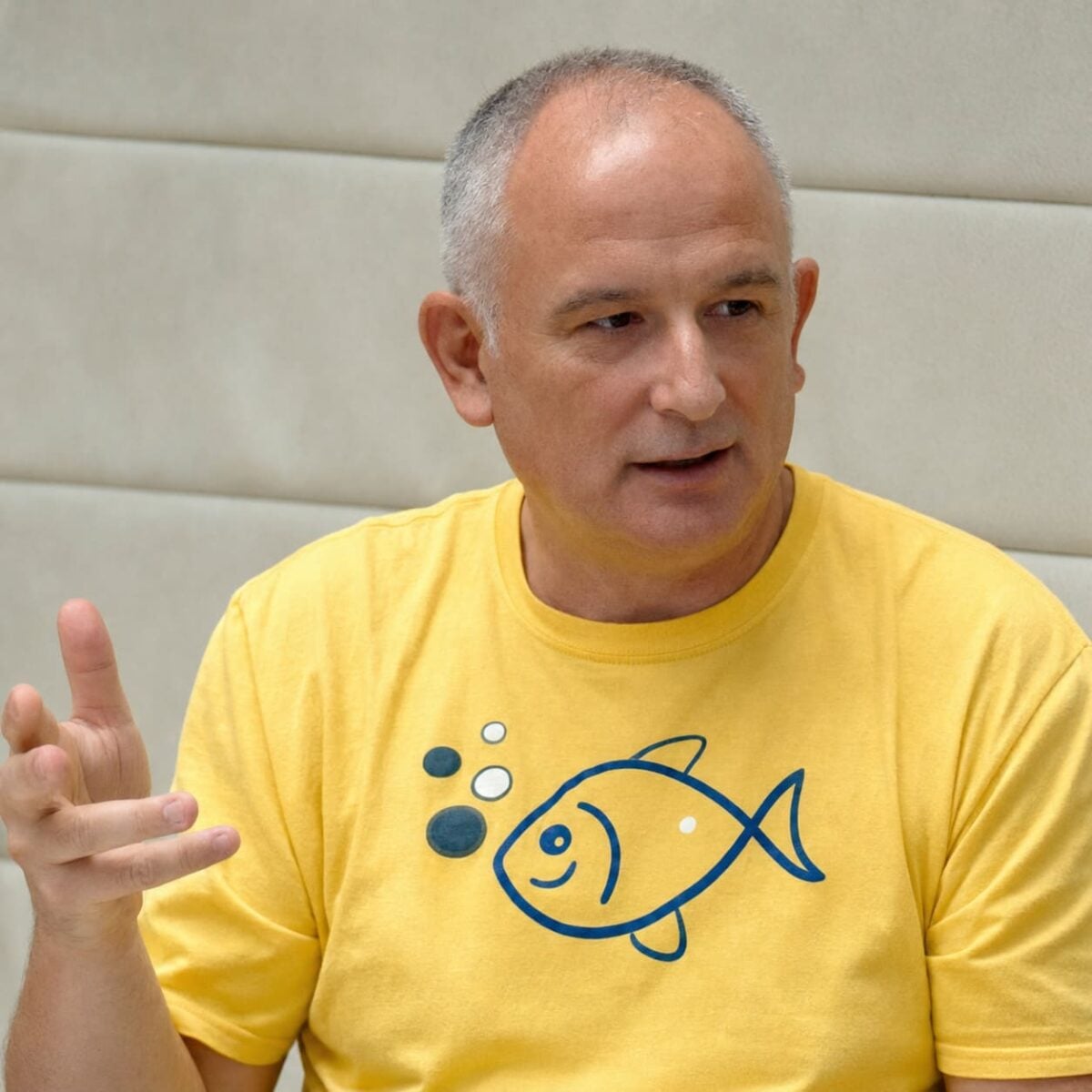
The teaching panel stays just as close to the ground. Mehmet Emin Barsbey, whose Istanbul Go School has introduced more than 10,000 children to the game over fifteen years, asks questions most instructors would rather skip, including whether every child can learn Go and whether every child should be expected to. Oktay Uysal, PhD, reminds everyone that children will not sit through a lecture for more than ten or fifteen minutes, so any teaching strategy that assumes otherwise has already failed. Prof. Dr. Giyasettin Demirhan proposes a framework for adapting instruction to mixed groups, limited time and online settings.
Two young dan players, Ömer Naiboğlu and Berke Üner, describe growing up in a small Go ecosystem and what they think is still missing from it. Asst. Prof. Dr. Sema Seymen tells the story of her trip to Lanke Mountain in China, where legend has a woodcutter watching a single game while centuries pass outside, and asks how a game holds itself together for thousands of years. Prof. Dr. Doğan Erbahar closes the loop on the technology side by examining whether quantum computing could produce the next leap in Go engines. His answer, after surveying quantum search and quantum Monte Carlo methods, is mostly no: classical engines like KataGo work remarkably well, and the current hardware cannot touch their real bottlenecks.
An Open Door
One session has no fixed speaker list at all. The open forum on the future of institutional Go assembles its panel through a public call: anyone with ideas or complaints can apply for a seat at [email protected], and if you are reading this before the Summit opens on 27 July, applications are still open. The organizers want roundtable conclusions and pilot projects out of these afternoons, and they built the format accordingly .
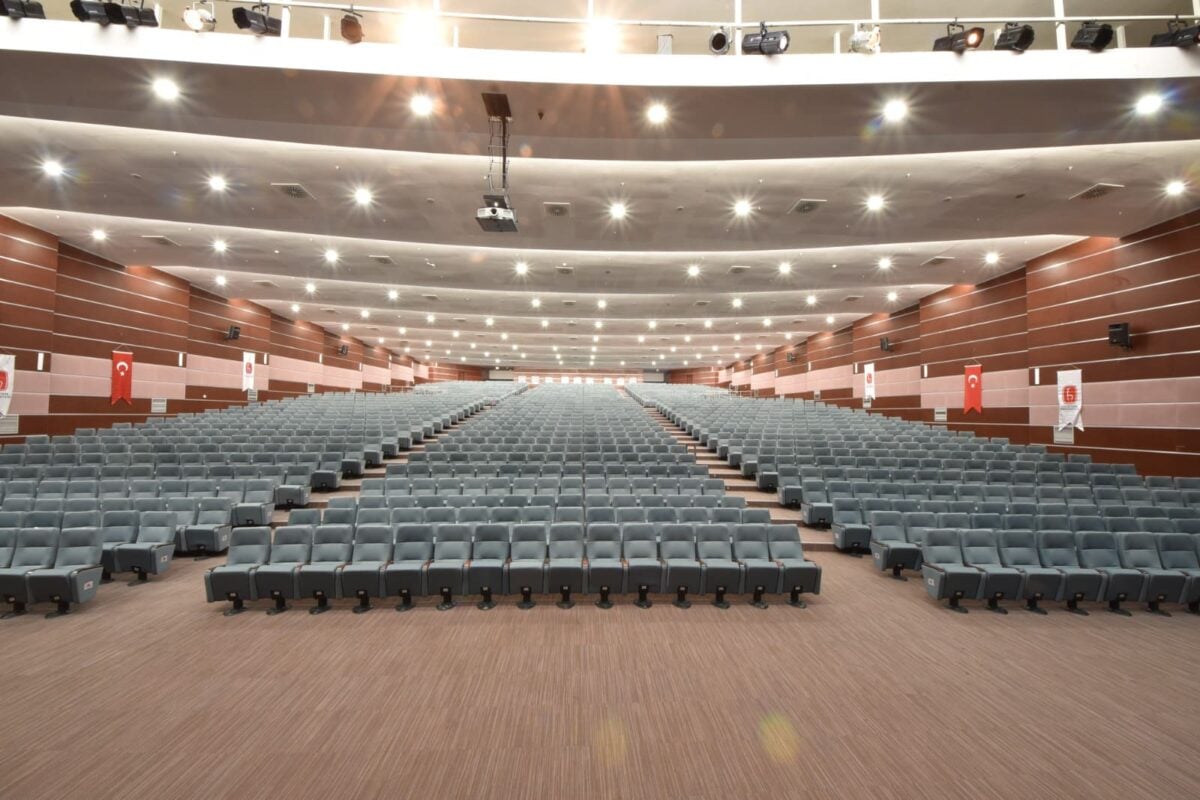
More than 400 players from over 35 countries are expected in Ankara, and most of them are coming for the games. Fair enough. But the Summit starts on 27 July, sessions run daily from 13:30, and the programme suggests there will be reasons to skip an afternoon of play for it. Whether you catch it this year or read the conclusions later, the full programme and abstracts are up at egc2026.com.


Комментарии