


Joining Your First Go Tournament: A Beginner’s Guide

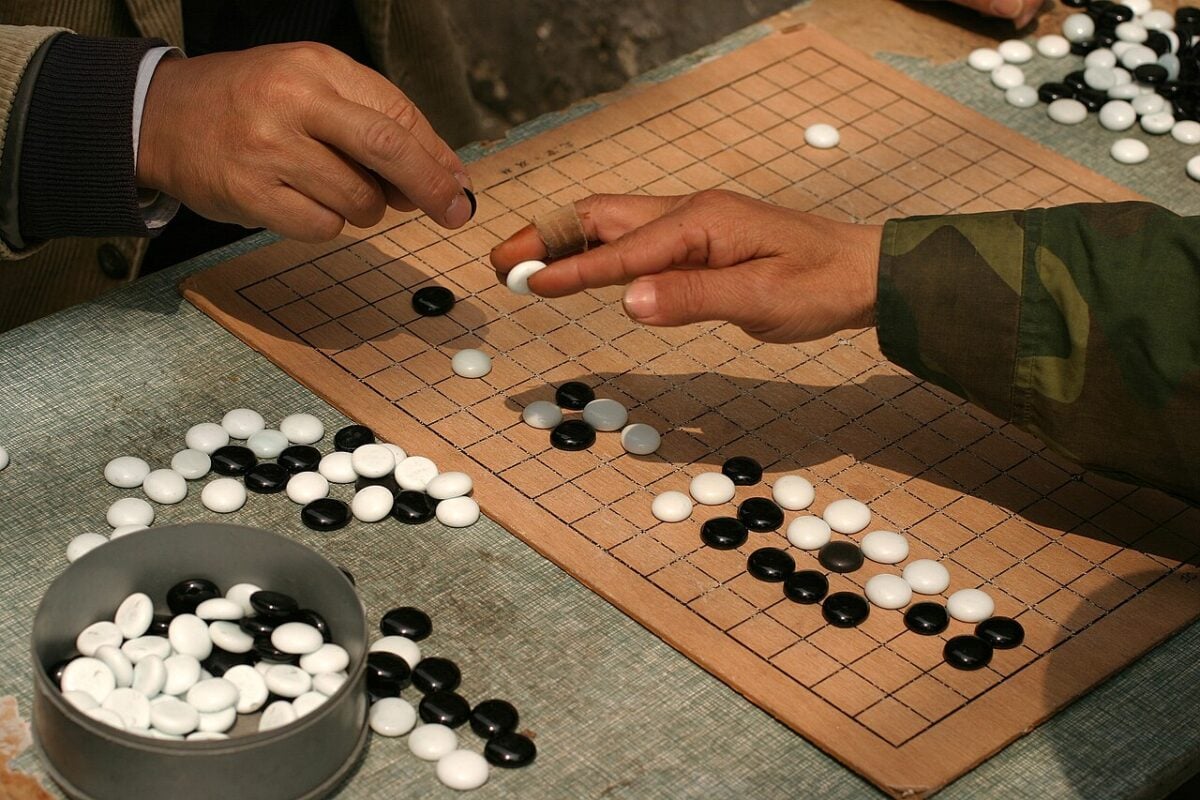
A simple guide to everything you need to know about Go Tournaments – from clocks to expectations – to hopefully convince you to join!
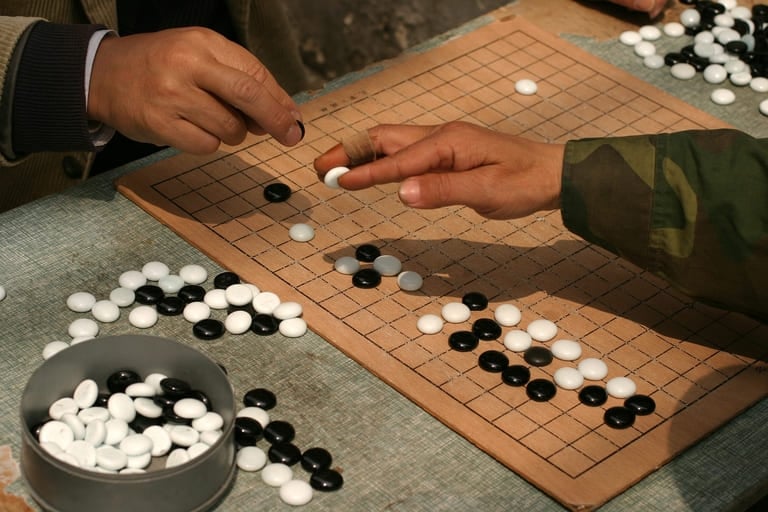
Introduction
Let’s be honest: the word “tournament” can sound daunting when you’re still in the beginning stages of learning Go, trying to figure out the difference between territory and influence. But here’s the ‘secret’ that we’re going to let you in on:
Go tournaments are full of regular people. Some are stronger in the early-game, others are joseki experts. Out of them all, most are very friendly. And perhaps most importantly, everyone started where you are.
You don’t need to be SDK, and there’s no requirement for confidence either. If you love Go and are willing to play a few games and meet new people, congratulations! You are already “tournament material.”
This guide will walk you through a bit of everything: what tournaments are actually like, how the rounds work, what time settings mean, how ranks affect pairing, what happens if you lose your first game (spoiler: absolutely nothing, other than personal growth), and how to enjoy the day instead of panicking.
Grab a cup of tea, get comfy, and let us ‘demystify’ this whole ordeal together.
Why Compete? The Benefits of Tournaments
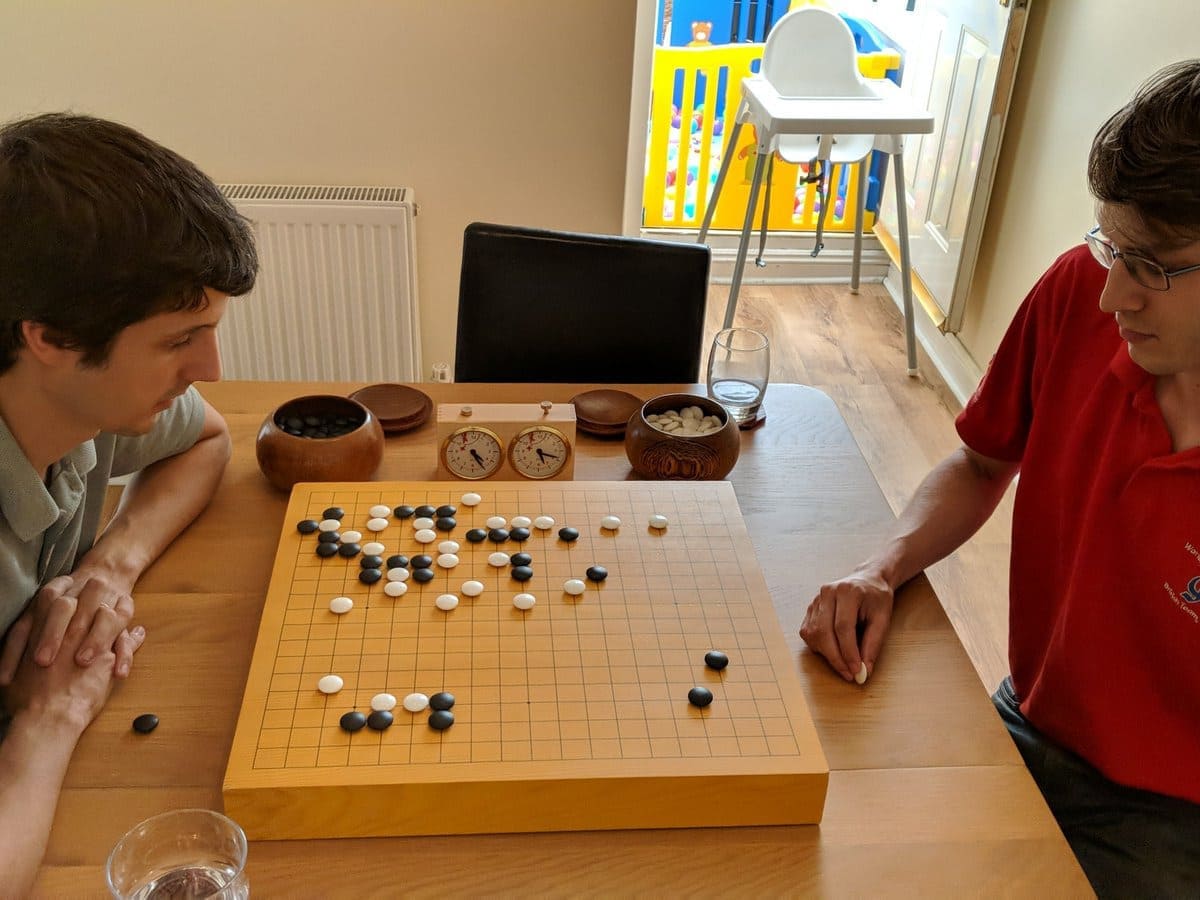
Some may ask, why bother playing in a Tournament at all?
That’s a fair question. Go tournaments sound like they’re for “serious players,” but the truth is that tournaments are:
- One of the fastest ways to improve
You’re forced to think on the spot, make important decisions in often drastic circumstances, and think several steps ahead. You get exposed to different playing styles and new joseki you never knew existed, and perhaps most importantly – you discover your personal bad habits by examining your gameplay under a different setting and perspective. In this way, tournament participation is a win-win situation – you level up even if you lose every game.
- A great way to meet actual Go people
In-person tournaments especially are social events. Players chat between rounds, analyze games together, gossip about pro matches, and debate AI openings. Each game is a chance for you to get to know your opponents more through both their gameplay and approach to Go. Begin each game with a brief chat and introduction, or simply with a handshake or smile. Upon concluding the game, don’t be afraid to ask for a game review, which can be greatly beneficial to growth and reflection.
Online tournaments are also surprisingly similar. Participants often join voice channels, discuss their games, or post reviews. During games, most sites allow a chat function, which can serve as the place to exchange salutations and compliments (don’t let the chat box distract you in the midst of a game though, just as you would refrain from chatting during an in-person game!)
- An excellent confidence booster
Even signing up is a small act of bravery. Finishing the day is an even bigger one. After your first tournament experience, ensuing participation becomes less daunting, opening the gate to a flood of new learning opportunities and a continuous ‘overstepping’ of your comfort zone.
- Fun
Self-explanatory in a way.
Each tournament is its own unique mix of tension, excitement, silly mistakes, clutch wins, friendships, and perhaps someone who brought a box of cookies.
How Tournaments Work
Tournament formats can be confusing for a lot of beginners. With a brief overview, here’s the good news:
Most formats are designed so you can keep playing even when you lose.
Let’s break down some of the most common ones:
Round Robin:
- A system where each participant plays with every other participant at least once. The participant with the best record (most wins) is the winner.
- Great for beginners because:
- You get equal matches
- Lots of games
- No elimination
Swiss System:
- Everyone plays the same number of rounds
- After each round, you are paired with someone performing similarly to yourself
- If you lose your first game, your second opponent will likely also have lost
- By round 3 or 4, you will be with people near your level, and games will likely feel more balanced
McMahon
- Groups players by rank
- You will mostly be paired with people roughly your strength
- Beginner-friendly, avoiding significant level discrepancies
Knockout (rare in Go)
- Usually not used for beginners, and even when used, many organizers add “consolation rounds” so people can keep playing.
Bottom line:
- You are never “out” after one game
- You are never sitting alone while everyone else plays (exception in the case of a ‘bye’)
- You usually get at least 2-4 full games during the day.
What to Expect During Play
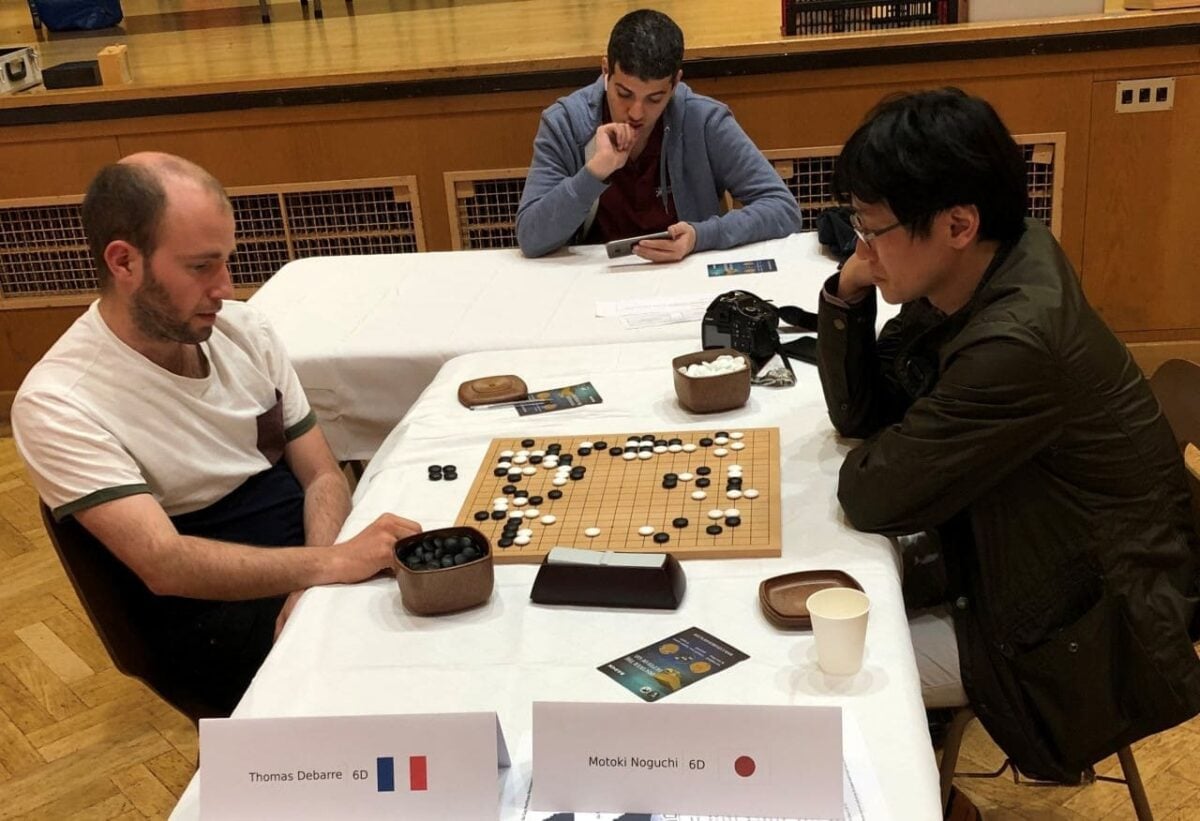
Let’s paint a general picture
What actually happens during a tournament round:
- You get paired with your opponent
- You find each other across the room or an online pairing list
- You sit down, greet each other, and go “nigiri”
- It’s a quick ‘ritual’ to decide who plays Black:
- One player takes a handful of stones.
- The other guesses “even” or “odd.”
- If the guess is correct, they play with Black (and vice versa).
- It’s a quick ‘ritual’ to decide who plays Black:
- You play with a clock
- You get a “main time” (e.g., 20-40 minutes).
- After it runs out, you enter “byo-yomi,” smaller time periods
- Most beginners never flag on time; it’s more forgiving than it may seem.
- You finish the game and count
- If you are unsure how to count, most opponents or a referee will happily help you.
- You record the result
- You relax until the next round
- Review the game, wander around to observe ongoing games, or chat. This can be when you learn the most.
Ranks: what do they mean?
Ranks help tournaments match players fairly.
- DDK (10-30 kyu)
- SDK (1-9 kyu): Intermediate players
- Dan players: Strong amateurs
If you’re new and unsure of your rank, giving a rough estimate (e.g. 20-25 kyu) or simply ‘unrated’ is fine, and the TD will place you as they deem fit.
Handicap Games:
Many beginner-friendly tournaments use handicaps so weaker players get stones on the board to balance the match.
This means that you don’t always face stronger players at a huge disadvantage and you can have competitive games even against people ranked higher. Handicap Go is its own rewarding learning style.
Clock Settings:
Here are some common ones you may encounter:
- Basic Japanese timing
- 20-45 minutes main time
- 3 x 30s or 5 x 30s byo-yomi
- Fisher (increment) timing
- A small increment added every move
- Hard to time out unless you start panic-moving
- Canadian timing
- E.g. “15 minutes + 25 moves in 5 minutes”
- You must play a certain number of moves within each byo-yomi block
Tip:
- Practice 1-2 online games with the time setting before the tournament, which can help to remove ‘clock stress.’
Tips for Beginners
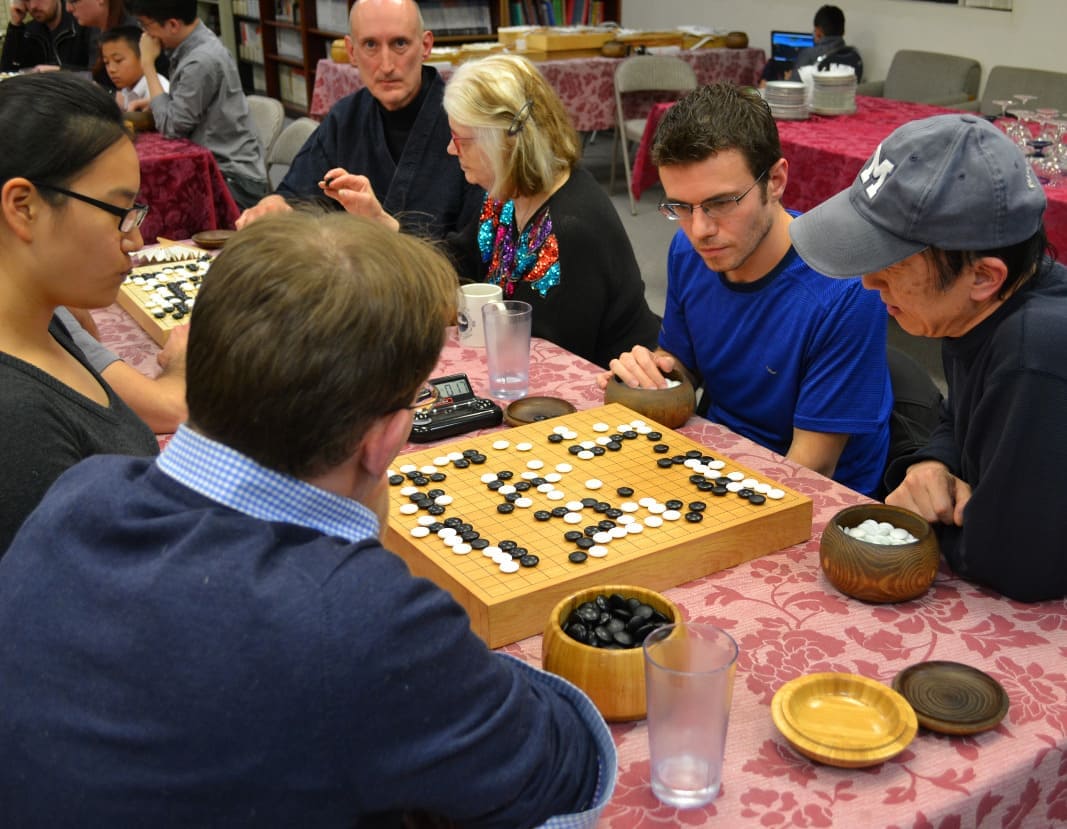
- You’re going to lose games, and that’s okay.
Everyone does. Many tournament veterans proudly recall going 0-5 in their first event.
- Don’t resign too quickly.
Giving up at the first sign of trouble can be a natural instinct, but that also destroys a valuable opportunity to learn from experience. Play it out unless you’re certain there is no hope whatsoever.
- Ask for reviews.
Most players love to review, including the strong, seemingly unapproachable players. Some may point out one magical move that instantly changes your understanding.
- Write down how you felt.
Tournaments are part emotional journey, so it can be helpful to track:
- When you rushed
- When you lost focus
- What you especially struggled with (e.g. new josekis, a certain formation)
- When something clicked/what you learned from each game or review
- Enjoy the atmosphere
The room is full of people who love the same ancient board game as you do – embrace this experience!
Conclusion
If you’ve read this far, congrats! You’re already well on your way to joining your first tournament. Now, all that’s left is the last step – sign up!
The Go community is welcoming and supportive. People are very excited when new players join, and will be happy to help you with counting, explaining the pairing system, and walking you through your game if you ask.
So, if tournaments have felt intimidating, consider this your invitation to try one out. Online or in person, large or small, beginner-only or open – it doesn’t matter. What matters is stepping into a space where you can grow, learn, and enjoy the game alongside others.
Where to find tournaments:
If you’re ready to start this journey, here are some great places to look for your first tournament:
- Online Go Server (OGS) – frequent community tournaments, leagues, and ladders.
- KGS – long-running online events and beginner-friendly rooms
- BadukClub – excellent for discovering local in-person tournaments
- AGA/CGA websites – official tournament listings by region
- Go Magic League and community events – relaxed environment, friendly players, and perfect of beginners
- Local Go clubs – many run monthly mini-tournaments or casual round-robin days
Wherever you choose to begin, you’re joining a living tradition: thousands of years of players sitting across a board, exchanging stones, and learning from each other.
Once you’re ready, take that first step, and Go play!






Оставить комментарий