
Go Magic Award for Best Supporting Actor: The Appearances of Go on Screen

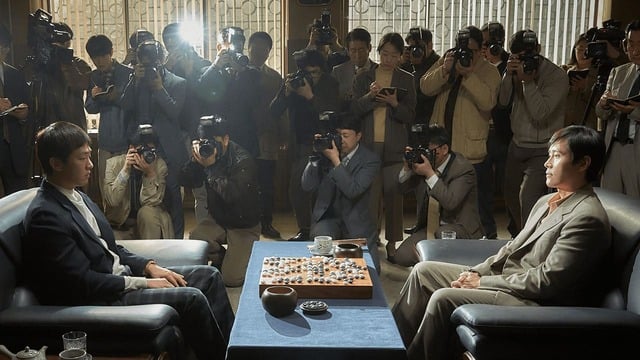
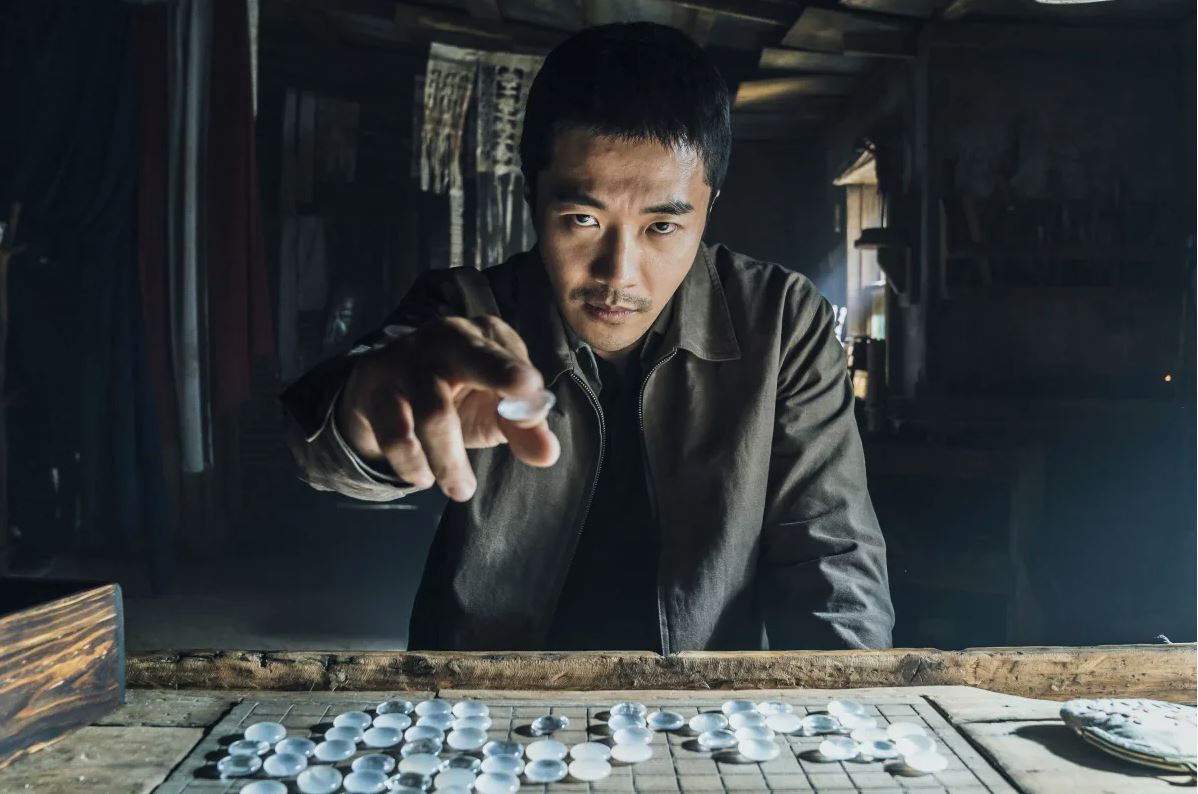
If you are familiar with the world of East Asian media, you may have noticed the recurring presence of Go – whether appearing as a defining talent of a character, a metaphor for psychological or intellectual warfare, or simply an elegant prop placed in the background. Much like the role of chess in Western literature and film, Go is frequently used as a narrative shorthand for intelligence, strategy, and composure. Its visual simplicity, historical prestige, and philosophical depth make it an especially appealing storytelling device.
As both a Go enthusiast and an avid consumer of East Asian media, I have come across a wide range of such portrayals – some surprisingly accurate, others widely unrealistic, but most serving similar narrative purposes. While Go is consistently used to symbolize intellect and refinement, the way it is actually depicted often varies dramatically in quality.
In this article, we will be delving into a curated selection of dramas with a focused lens on our main character – the Go board. The case studies I will be delving into today extend beyond the more commonly cited examples such as Hikaru No Go (2001) and The Match (2025), showcasing the supporting role of Go as not merely a game but as a narrative tool. Alongside more questionable portrayals, we will also highlight a few standout examples that demonstrate how Go can be represented with both authenticity and meaning. So grab a cup of tea, and let’s take a closer look at how the 19×19 board is brought to life on screen.
Background Information
To begin, let’s delve into a bit of background: what constitutes the appeal of Go in the media?
Firstly, Go scenes are often used to signal intelligence, strategic thinking, and emotional restraint, characterized by silent rooms, slow camera movement, and a heightened tension between the two (or more) characters involved.
Historically, Go also served as a physical embodiment of sophistication. In ancient China, Go (Qi) was considered one of the four arts of the Chinese scholar, along with Qin (the guqin), Shu (calligraphy), and Hua (painting). These disciplines were required of the aristocratic and educated, or “literati”, considered essential for a well-rounded and refined character, often serving as a means for personal refinement and inner peace.
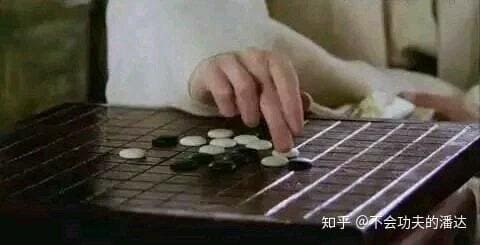
Before diving into more questionable examples, it is worth noting that strong representations of Go in media do exist. Productions such as Romance of the Three Kingdoms (1994) and The Go Master (2006) demonstrate that it is entirely possible to depict the game with both visual authenticity and cultural depth. In these works, the board positions appear plausible, the handling of stones is correct, and – perhaps most importantly – Go is treated not merely as decoration, but as an extension of character and narrative.
From the 1994 historical drama, Romance of the Three Kingdoms
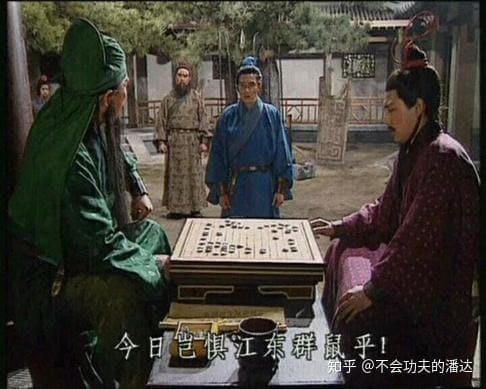
photo credits: https://zhuanlan.zhihu.com/p/40283566
From the 2006 biopic film, The Go Master.
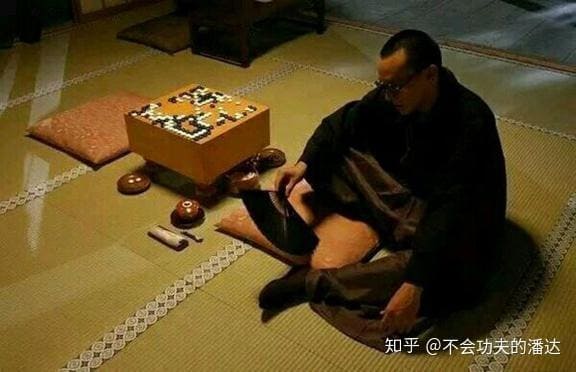
photo credits: https://zhuanlan.zhihu.com/p/40283566
These examples serve as a useful benchmark: they show us that the issue is not the difficulty of portraying Go, but rather the level of care and attention given to it.
With this in mind, let us now turn to some more mixed and occasionally questionable case studies.
Case Studies
Case Study 1: Lost You Forever
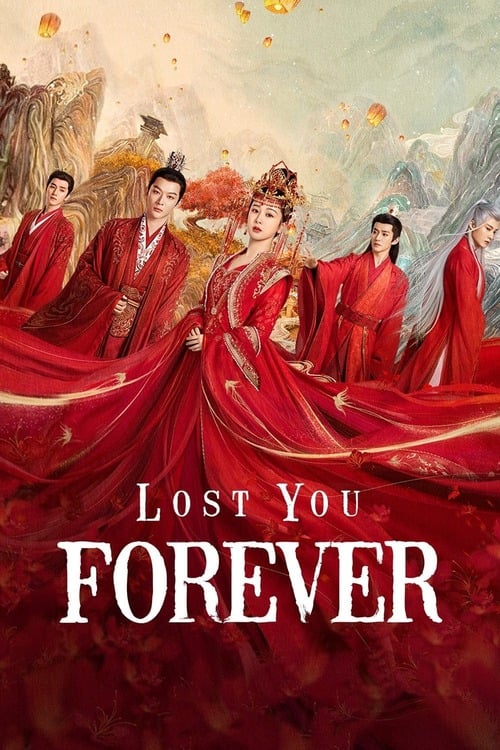
Brief summary: Lost You Forever (Chinese: 长相思) was a 2023 high-fantasy romantic drama based on a novel of the same name by Tong Hua. The story focuses on the journey of Xiao Yao, a princess who loses her identity and appearance, eventually finding love and salvation while entangled with three distinct men in a world of gods, demons, and mythical creatures.
In this drama, one of the main male leads, Tushan Jing, is depicted as the ideal ‘gongzi’ and an intelligent and capable strategist. This is supported by his mastery of the Four Arts and his title as the ‘greatest Go player’ of his time, highlighting the use of Go as a shorthand for genius.
(‘Gongzi’: a Chinese honorific term historically meaning “son of a duke” or “young master,” used to respectfully address young men from noble, wealthy, or high-standing families. Its use commonly implies high status, elegance, and education.)
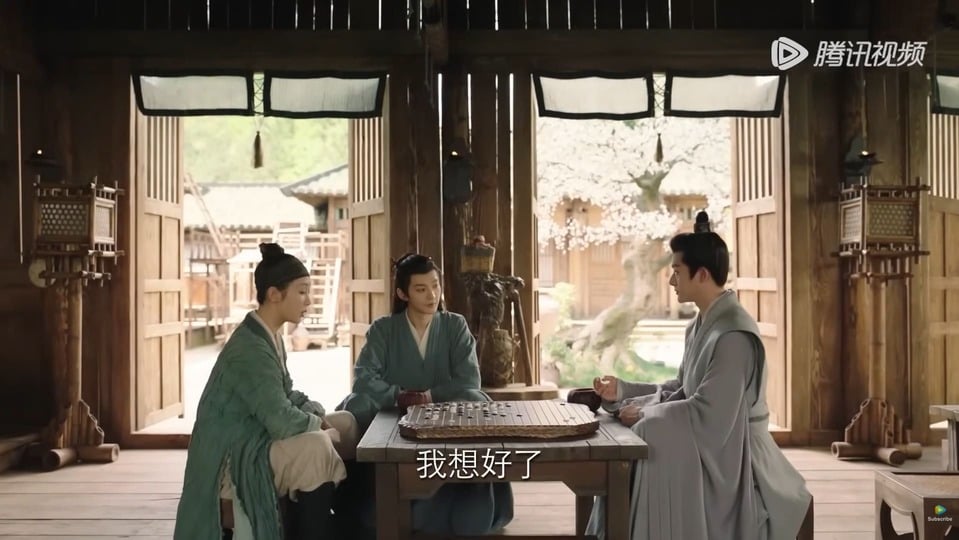
In episode 11 of season one, Xiao Liu (left) and Cang Xuan (right) play a game of Go, with Tushan Jing (center) guiding some of Xiao Liu’s moves. Xiao Liu, as a beginner, frequently places his stones in unfavourable positions, with Cang Xuan, a seasoned player, commenting that they [the positions chosen] were “so bad that it couldn’t possibly get any worse.” However, in demonstration of his intellect and superior Go abilities, Tushan Jing is able to revive each dire situation with a single clever move.




(Translation of above text: “The Qingqiu Gongzi (referring to Tushan Jing) is indeed worthy of his reputation. Even with Liu-ge’s (referring to Xiao Liu) moves, which couldn’t possibly be any worse, you manage to save the game time and time again.”
In an actual game of Go, however, such maneuvers are unrealistic, as a tide-shifting ‘divine move’ is not consistently available and the expertise of a professional does not ensure success. As an example, in games of pair Go, a partnership of a very strong and weak player cannot readily ensure victory over a partnership of two moderately strong players. Even a very strong player cannot reliably ‘fix’ consistently poor moves, especially if they occur repeatedly across the board.

The above photo is a snapshot of the final board after Xiao Liu eventually loses by a slight margin due to his insistence to play more of his own moves.
At a glance, a significant portion of the board remains mostly empty and the game seems incomplete, unlike a final board with a clear winner, with limited formed territory for both players. While not inherently incorrect, the lack of development across the board combined with heavy central play suggests inefficient direction, suggesting a lack of advanced strategic-mastery and contradicting the depictions of Cang Xuan and Tushan Jing as strong, seasoned players.
Thus, Lost You Forever can be regarded as a relatively poor example of Go representation in media, serving primarily as a narrative tool and aesthetic prop.
Overall representation score: ★★☆☆☆
Case Study 2: Dashing Youth
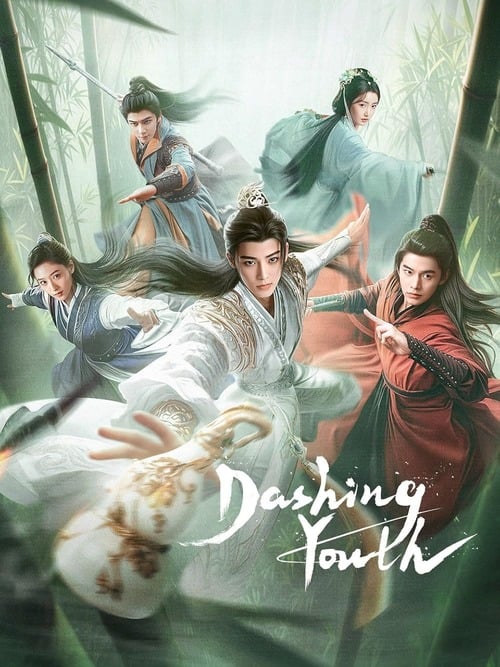
Brief summary: Dashing Youth (Chinese: 少年白马醉春风) was a 2024 wuxia drama serving as the prequel to the popular 2022 series, The Blood of Youth, focusing on the early life of Baili Dongjun and the origin story of the previous generation of masters.
Go appears on more than one occasion in this drama. In one instance, at the preliminary examination of the Academy, a talented and confident player Duan Baiyi loses to and is humbled by his opponent, a ten-year-old child. This situation is shaped as a learning experience, as Duan, having been on an extended winning-streak, had become overly arrogant and lost sight of a true meaning. As the examiner says to him: “Being overly aggressive, the long blade breaks easily. Your Go skills are excellent, but perhaps you lost to Lingsu (the child) because you haven’t lost in a long time. Losing today might not be a bad thing.”
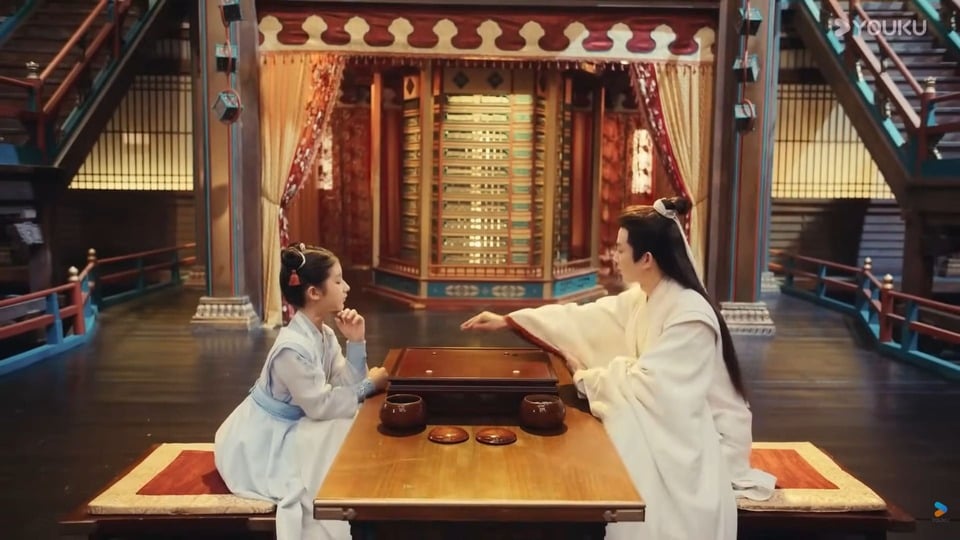
Furthermore, Baili Dongjun, the male lead, comments that “it may seem like a game of Go, but what it truly reveals is the heart.”



Thus, Go is again used as a narrative device, though this time mediating the deeper concepts of the importance of failure and humility, and true strength emerging from learning from one’s losses.
Now, moving on to the game itself:
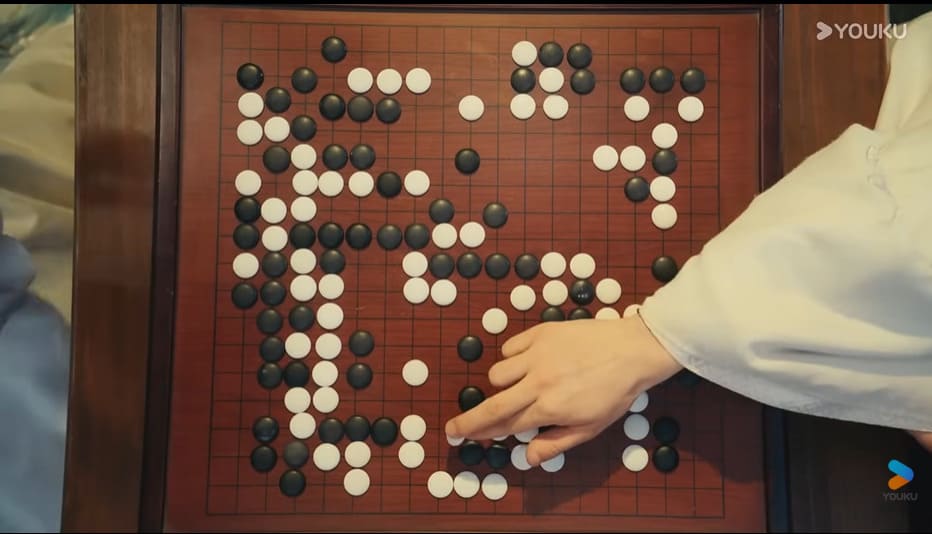
This board seems to be considerably ‘better’ than the previous example, though it still is likely not at the skill level the characters claim to be, as it seems to lack qualities expected from top players, with some unsettled weak groups and poor shapes. However, it is difficult to draw effective conclusions from a snapshot of the game without move order information.
Thus, Dashing Youth serves as a more positive example of Go representation in the media, encompassing important themes and mostly accurate gameplay.
Overall representation score: ★★★☆☆
Case Study 3: Love Like the Galaxy
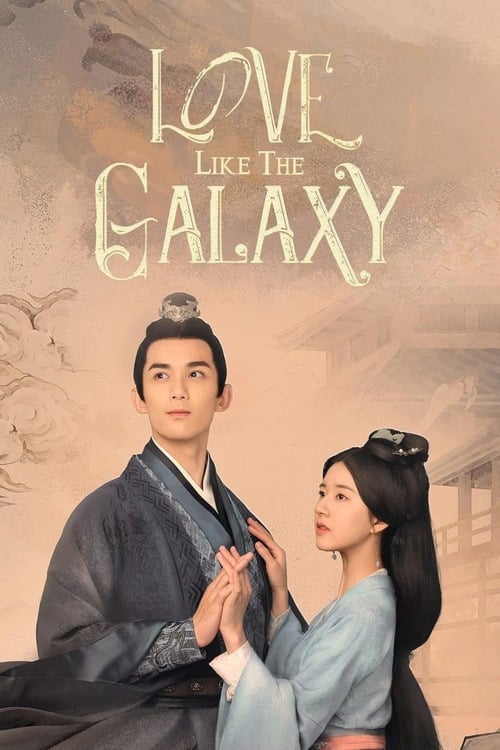
Brief summary: Love Like the Galaxy (Chinese: 星汉灿烂) was a 2022 historical romance drama following the life of Cheng Shaoshang, a neglected girl who meets Ling Buyi, a brilliant but ruthless general.
The use of Go in Love Like the Galaxy is more conceptual, focusing primarily on its metaphoric sense. In particular, the second male lead, Yuan Shanjian, who is a well-read, respectable ‘gongzi’ and strong Go player, frequently compares his life to a game of Go. In my personal opinion, the use of Go in this sense is not inherently harmful in any particular way, and can serve to familiarize individuals with the game and its philosophical extensions. Thus, I would rank this example with a solid overall representation score despite its lack of overt Go appearances. ★★★★☆
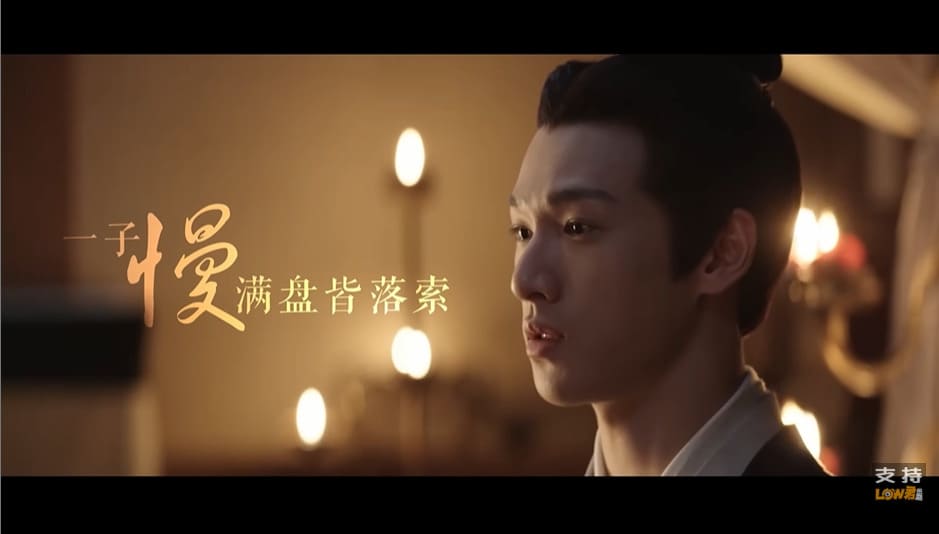
(Direct translation: One move too slow, and the whole game is lost.)
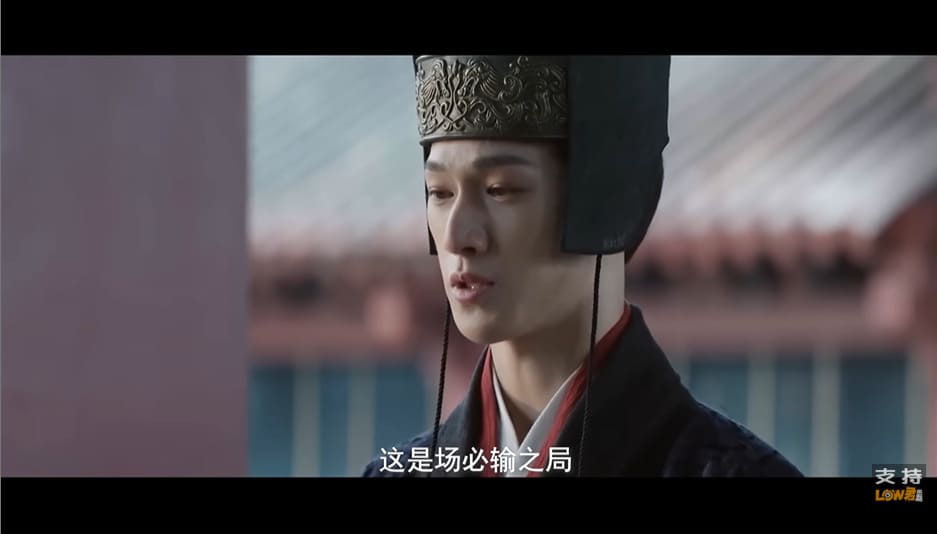
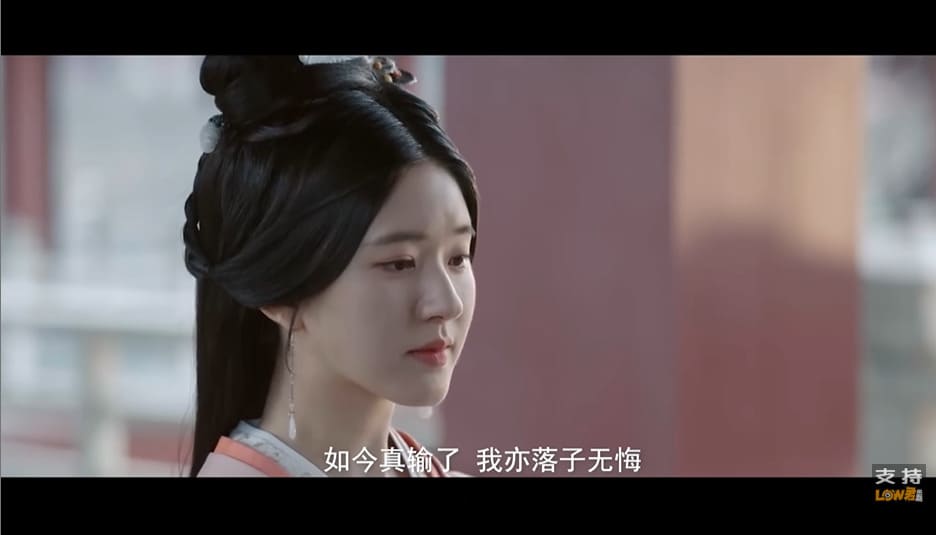
(Direct translation: It was a losing battle from the start, and now that I’ve truly lost, I have no regrets about the moves I made.)
The direct translations fail to encapsulate the full extent of the lines, but both revolve around the use of Go as a metaphor for life itself. In the above scenes, the second male lead Yuan Shanjian compares his impossible future with Cheng Shaoshang to a game of Go, where “one move too slow” or “one wrong move” led to his loss in the relationship. He further compares this to a “losing game”, and uses the popular idiomatic phrase of “落子无悔” (once the move is made, there is no turning back).
This point leads into the consistent use of Go as an element in Chinese idiomatic phrases, with many relating to the game’s ancient strategic wisdom, life decisions, and interpersonal relationships. Some examples include:
- ”举棋不定” (Direct translation: to hesitate in placing one’s stone): refers to the moment in a game of Go when one holds a stone but is unsure of where to place it. It is often used as a metaphor for indecision or being unable to make up one’s mind, particularly in the context of major life decisions.
- “棋逢对手” (Rough equivalent: a match made in heaven): To encounter an opponent of equal skill in a game of Go. This idiom is used to describe a situation where both sides are evenly matched and the contest is fiercely contested, and can also be used in the context of a fated connection between two individuals.
- “星罗棋布” (Direct translation: to be scattered like stars in the sky or pieces on a Go board): describes a large number of objects spread out or scattered over a wide area.
- “棋高一着“ (Rough equivalent: one step ahead): to be a step ahead in a game of Go. Used to describe a strategy or skill that is superior to others.
Case Study 4: GO Into Your Heart

Brief summary: GO Into Your Heart was a 2021 romantic drama series following the relationship between a top-tier Go player Sheng Jingchu and a beginner reporter Cheng Liao.
As with many romance shows with a sport or occupation serving as a sideplot, the development and attention put into accurately depicting said sideplot is often limited, with it often serving a primarily aesthetic function.
A scene from this show illustrates this point.
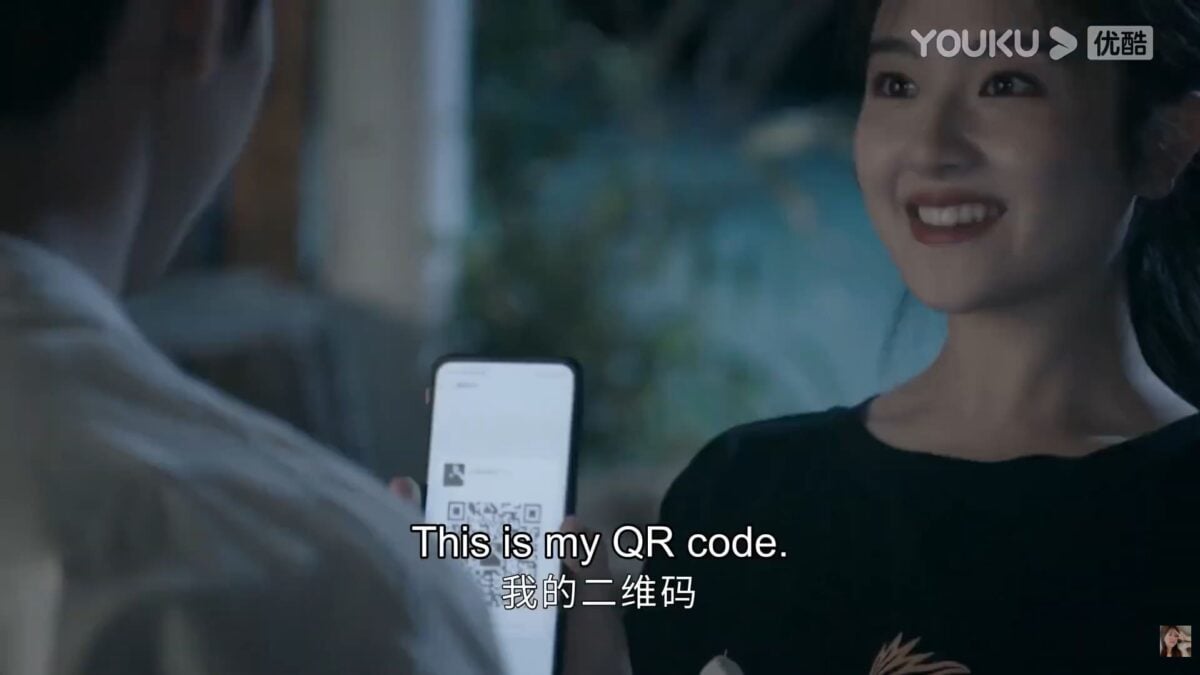
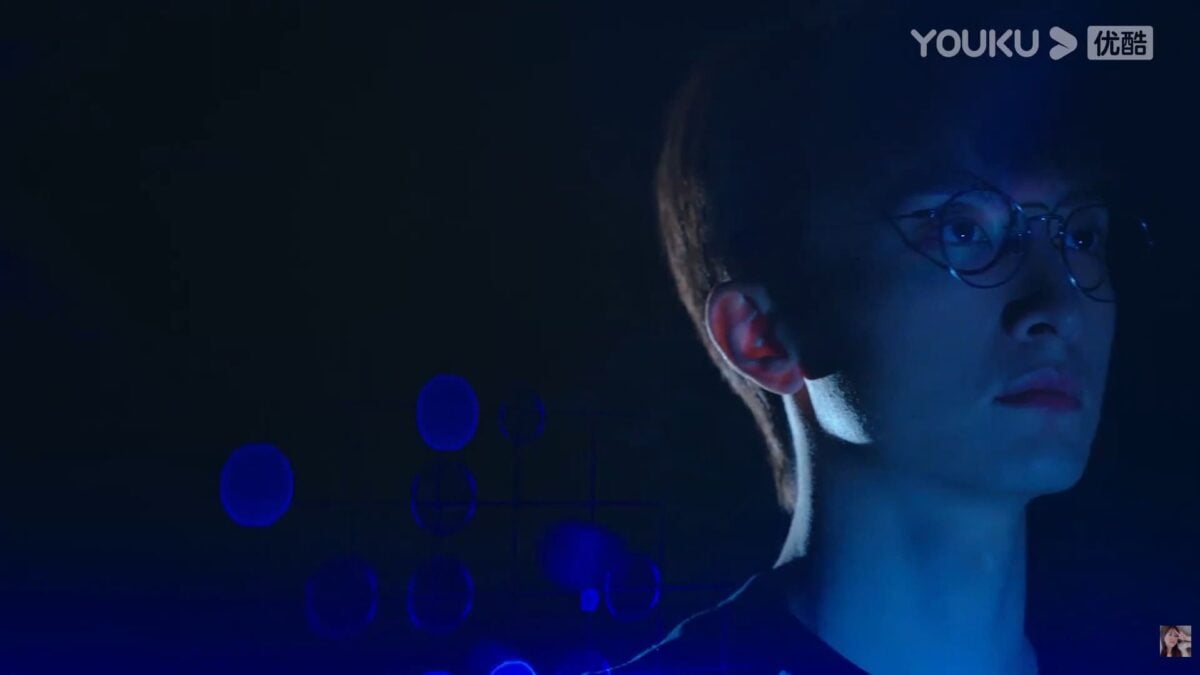
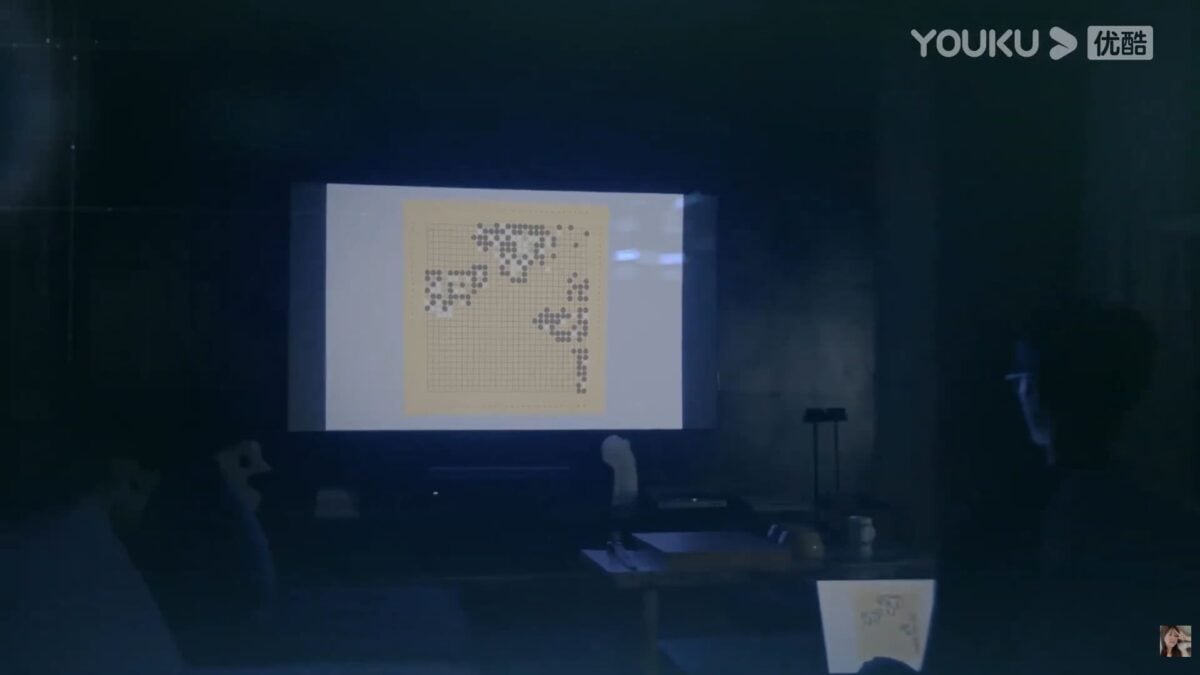
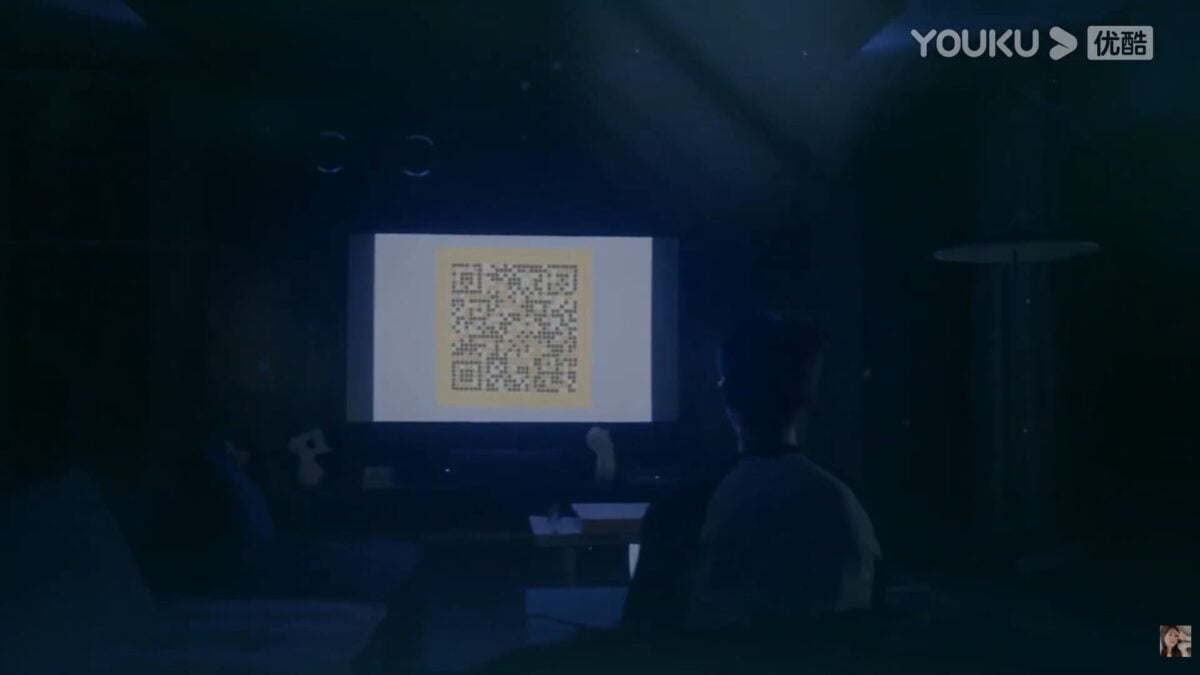
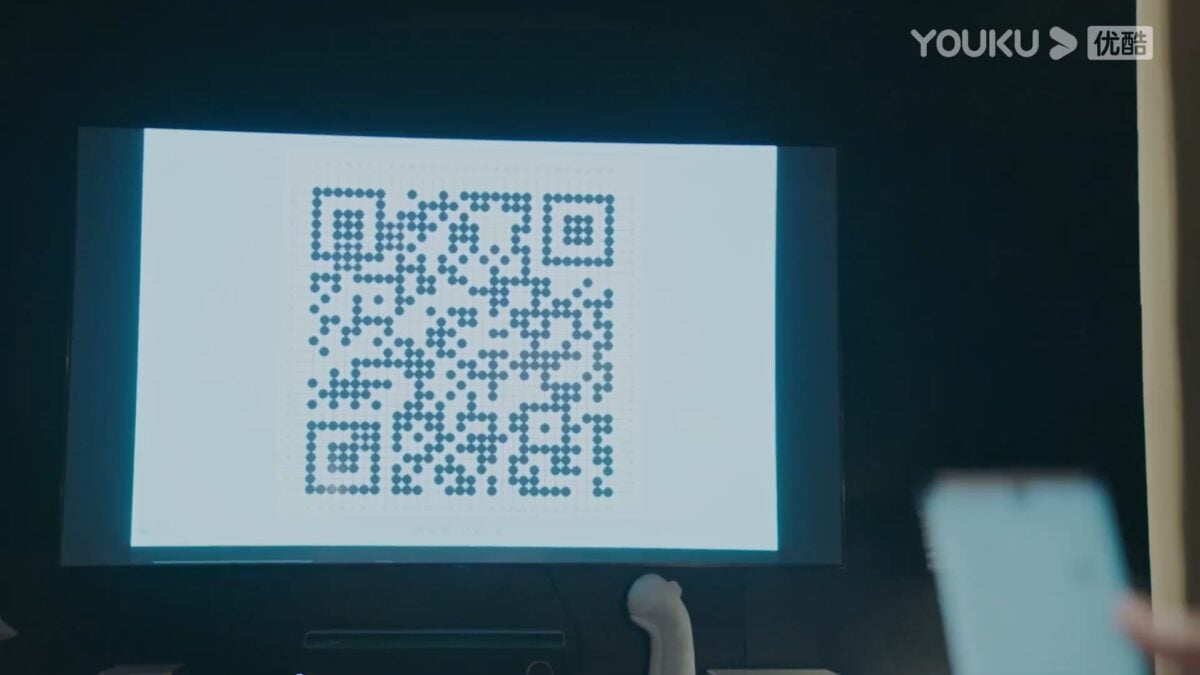
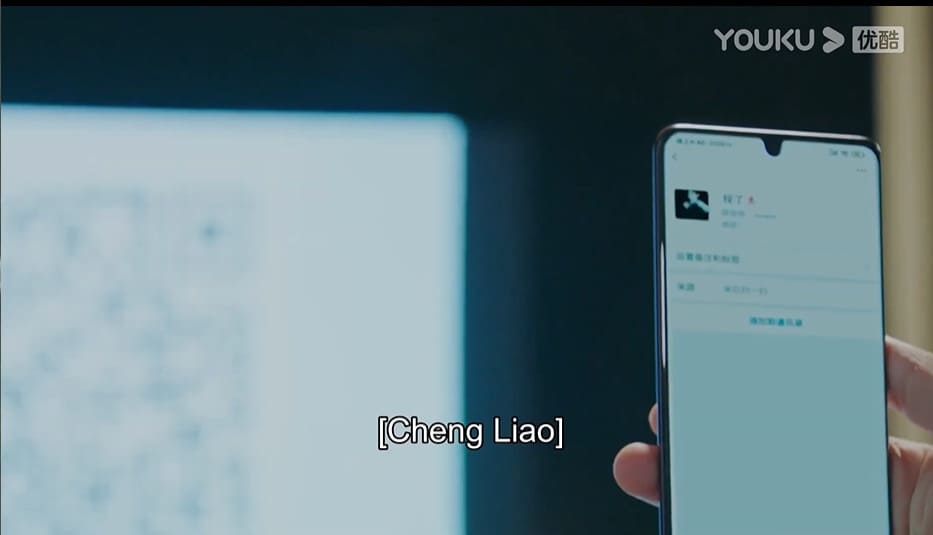
For the full viewing experience, this clip can be found on YouTube.
In brief, this scene depicts the male lead, Sheng Jingchu, successfully recreating the WeChat QR code of the female lead, Cheng Liao, with a Go board.
Though I was initially quite skeptical, through further research I learned that the inventor of QR codes, Masahiro Hara, was in fact influenced by the black and white stones of a Go board.
Now, to the logistics of this scene:
It is, in fact, possible to recreate a QR code using a Go board and stones, and similar feats have been successfully demonstrated in real life. However, the process comes with several important constraints, most notably, the issue of resolution. Standard QR codes begin at a size of 21×21 modules, whereas a traditional Go board is only 19×19, making it inherently too small to accurately reproduce most codes.
Even if one attempts to approximate the pattern, further complications arise. QR codes rely on precise square alignment and sharp contrast between black and white regions. The circular shape of Go stones therefore introduces visual distortion, reducing the likelihood that a scanner can correctly interpret the code.
As a result, although the scene is theoretically inspired, its execution leans more toward dramatic embellishment than practical feasibility. In this sense, the moment is creative and visually appealing, but ultimately prioritizes narrative charm over technical accuracy and a representation of the true game of Go.
Overall representation score: ★☆☆☆☆
Further Examples
After some more in-depth case studies, here are some further, brief examples.
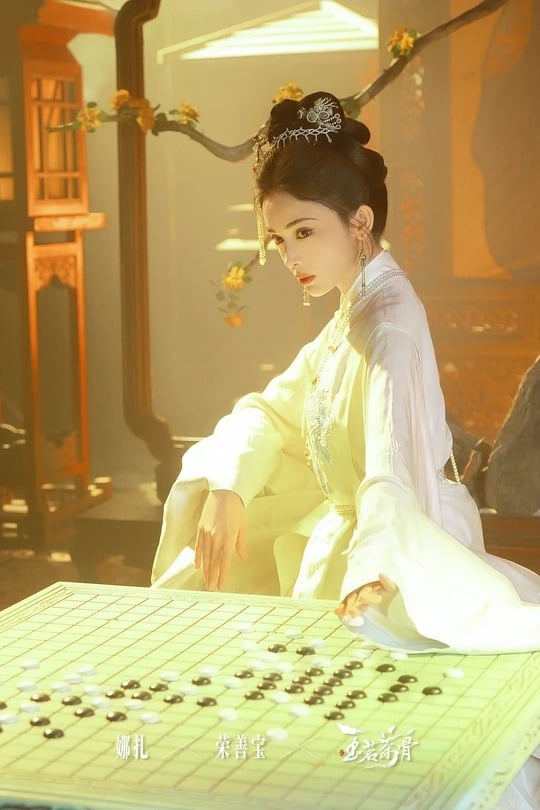
From the Chinese drama, Glory (2025). The board serves its sole purpose in this instance as an aesthetically pleasing prop, with strange stone placements and empty corners.
Overall representation score: ★☆☆☆☆
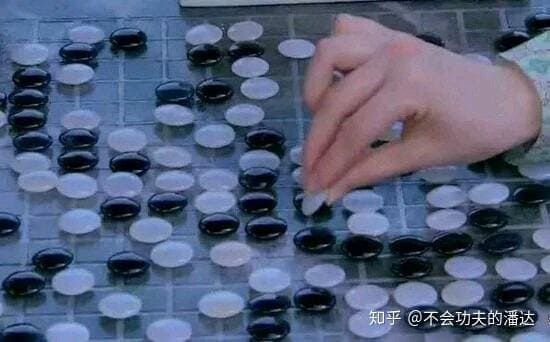
From the 2014 wuxia drama Swords of Legends. The holding of the piece is visibly wrong, and though the board is not shown in full, the stone positions are generally quite confusing.
Overall representation score: ★☆☆☆☆
From the 2012 historical drama Heroes of Sui and Tang Dynasties. It seems to me that what we are faced with is not Go, but a game of connect five… in that sense, there is nothing wrong with this board. Next example please!
Overall representation score: ☆☆☆☆☆
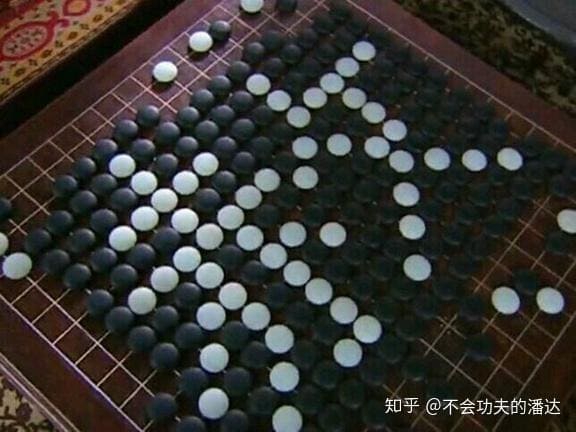
Overall representation score: ☆☆☆☆☆
From the 2002 historical drama, The Prince of Han Dynasty. For everyone who is as confused as I was, the board is meant to depict the character of “赦”, meaning “amnesty”. The additional context has shifted my confusion to amusement… Dear directors, please note that Chinese characters do not arise organically on Go boards, especially in the above manner.
In this sense, one may as well show the following board as the result of a close-fought match.
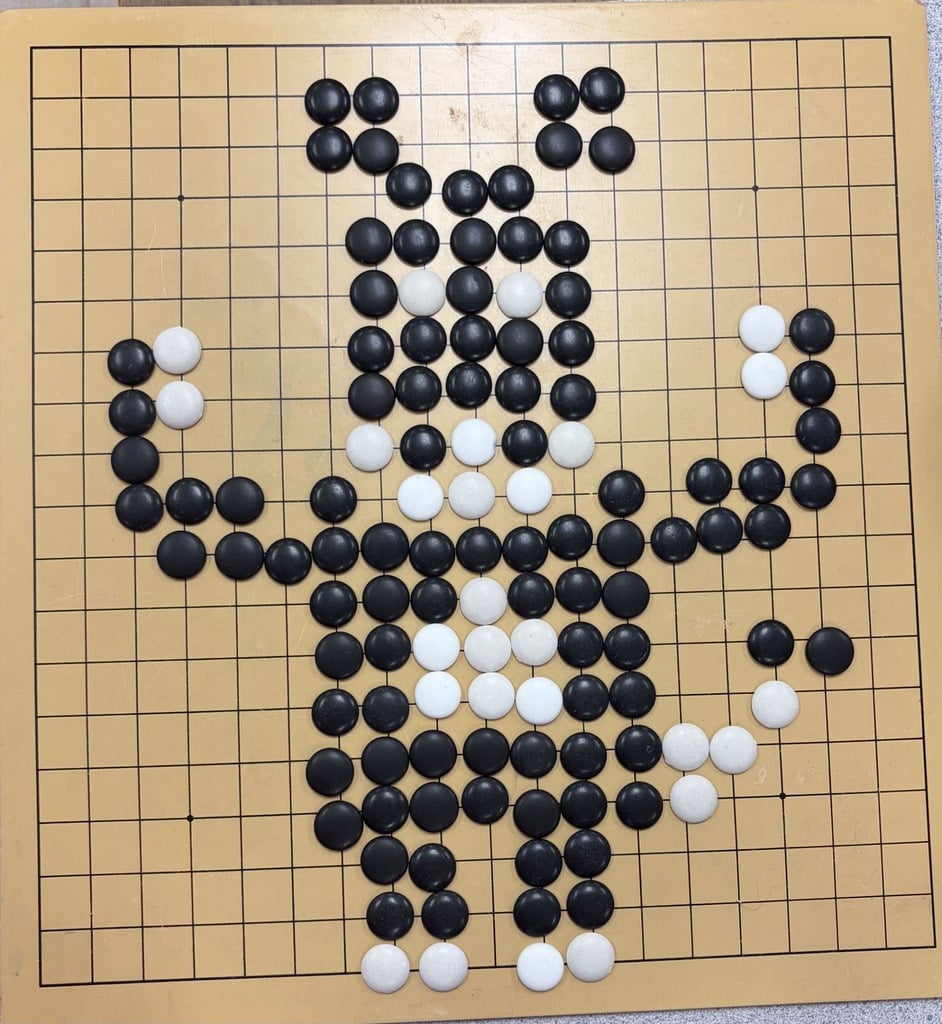
If you have not noticed already, this is not only a game of Go but also a visual representation of a horse!
(Disclaimer: this is a sarcastic take. Also, happy year of the horse to anyone who celebrates.)
Conclusion
Across these examples, it becomes clear that Go in media occupies a unique space: it is both a deeply meaningful cultural symbol and a convenient visual shortland. At its best, it enriches storytelling by conveying intellect, restraint, and philosophical depth. At its worst, it is reduced to little more than an aesthetic prop, with little regard for how the game is actually played.
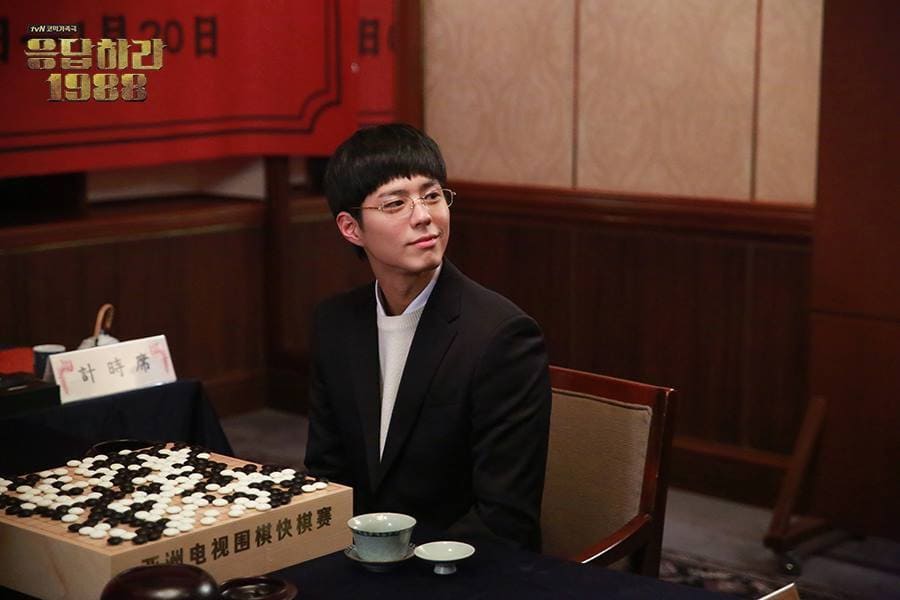
For the Go community, this presents both a challenge and an opportunity. While it is worth calling out inaccurate or careless portrayals, it is equally important to recognize the powerful role media can play in shaping interest in the game. For instance, the character Choi Taek from Reply 1988, who is a professional Go player, contributed to a renewed global curiosity about Go, demonstrating how compelling representation can bring the game to new audiences.
Ultimately, the goal is not perfection, but respect. Go does not need to be portrayed with professional-level precision in every instance – but when it is treated with care, it becomes far more than a prop. It becomes a language through which stories of strategy, character, and human connection can be told.
And perhaps that is the true reason Go continues to appear on screen: not just as a game, but as a reflection of how we think, decide, and navigate the world, one move at a time.

Комментарии