


Inside the Osaka Go Camp: Training, Culture, and Community

With the rise of influencers visiting Japan, I can’t help but reminisce about the days of old – specifically 2013. That was the first time I’d ever visited Japan for the inaugural Osaka Go Camp. In the US, the opportunities to visit a foreign country to focus on training one’s Go were limited. Maeda sensei 6p, one of the Go school’s professional teachers / organizers (along with Li Ting 1p), had often participated in the US Go Congress and attending his lectures was always an exceedingly fun time.
So, naturally, when I had the chance to attend a three week long summer camp in Japan I was raring to go. And honestly? It was one of the best decisions of my life. While I was still in school and afforded such long vacations, other camp goers were not as fortunate (having real adult jobs is sometimes not as grand as we like to imagine) but, luckily, it is not a requirement to attend for the full three weeks. I am biased but I fully encourage attending not only the full camp but also the two-day Japan Go Congress that immediately follows it so you can put your new skills to the test!
Training Like a Pro
Back to the camp itself – every day starts with a league match with fellow participants followed by a personal review of the match with one of the teachers.
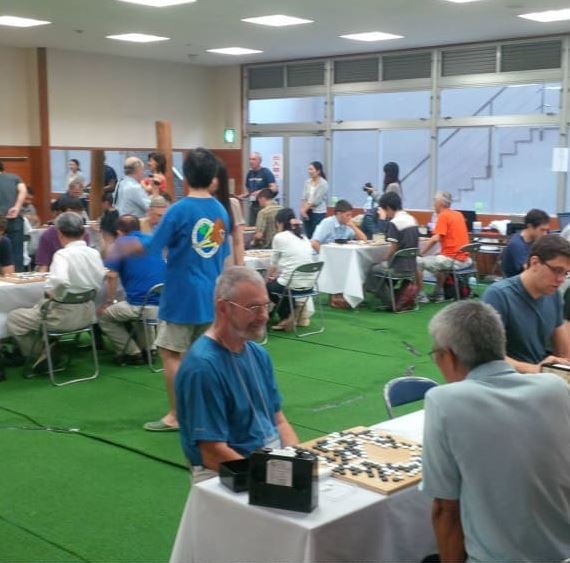
There is a break for lunch, where you are free to explore the area surrounding the venue—for me it was often the Family Mart directly across the street but sometimes a group of us ventured over to an okonomiyaki shop run by some former top sumo wrestlers. Then, the grind begins anew with a guest professional lecturer (including Yuki Satoshi 9p and Yasuhiro Nakano 9p) and simuls.
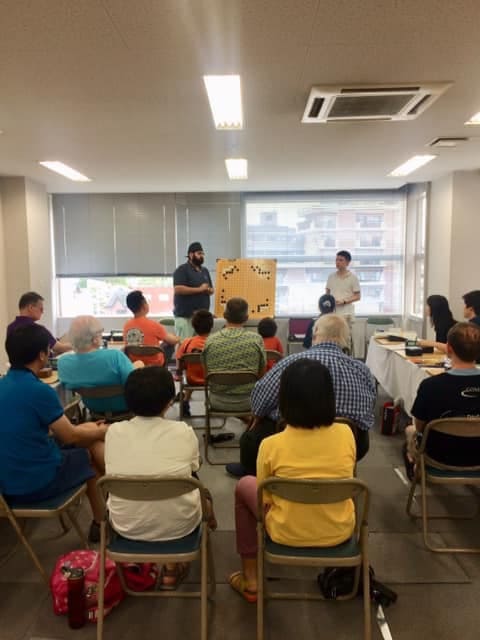
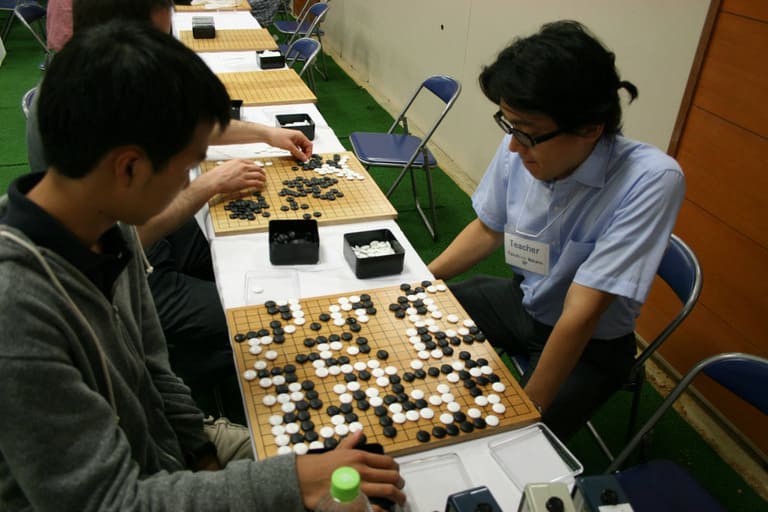
I remember my greatest feeling of accomplishment was taking 4 stones against Yuki Satoshi and playing a good game. I ended up losing but the review afterwards was very thorough and being complimented on moves I took forever to make was extremely validating. After all, how often does one get the chance to play a top pro and be given such personal feedback?
After Hours: Midnight Madness
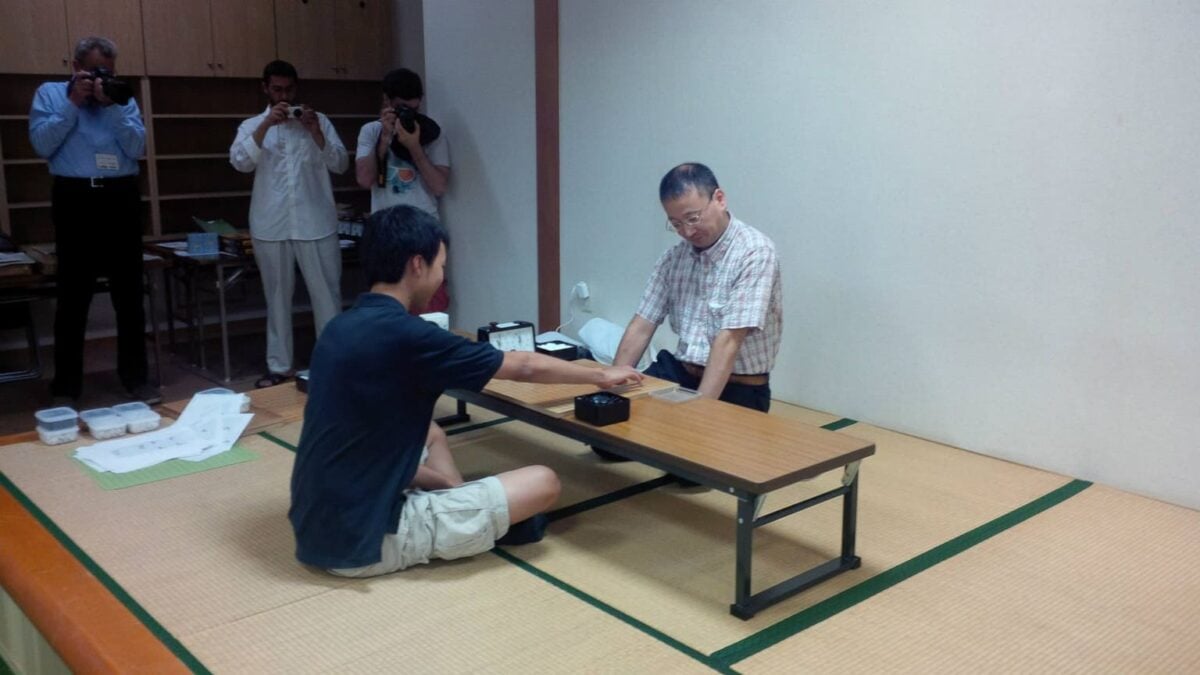
After such a long day, some members were excited to rest and replenish for the following day’s training. On the other hand, there were some of us (often younger and more obsessive) who reveled in the chance to play late into the evenings. One of my fondest memories was playing many 9-stone handicap, 10-second blitz games against Francis Meyer 1p. The beauty of the situation is that he would give everyone the same handicap – regardless if they were 5kyu, 2 dan, 6dan. The madness that ensued entailed stones flying off the board, raucous laughter at misread ladders, and just general wild chaos that can only be experienced in a foreign country in a ridiculous situation at 3am. Several nights ended with us asleep on the very stage used for lectures and exhibition matches only to be awoken when the rest of the campers arrived for their morning league games.
Beyond the Board: Culture and History
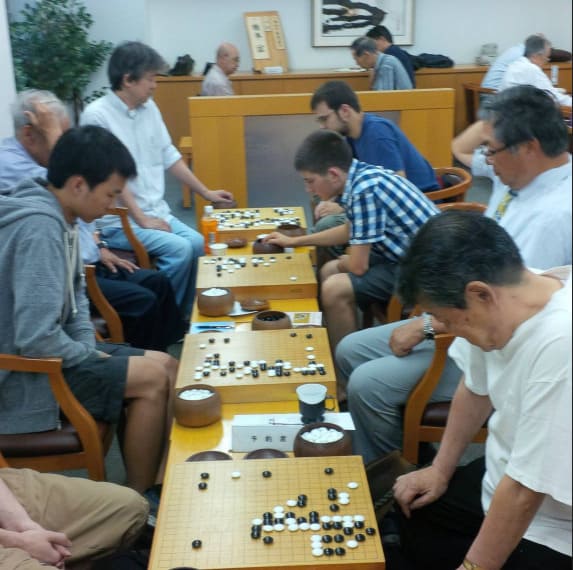
The camp is more than just honing one’s Go. It’s the perfect blend of passionate learning, cultural and historical immersion, and engaging with people from all over the world in the shared context of being a modern day Go player. On the days off league matches, there are various optional events to allow for special visits to the Kansai Kiin, seeing how pre-insei train, and friendship tournaments with local players.
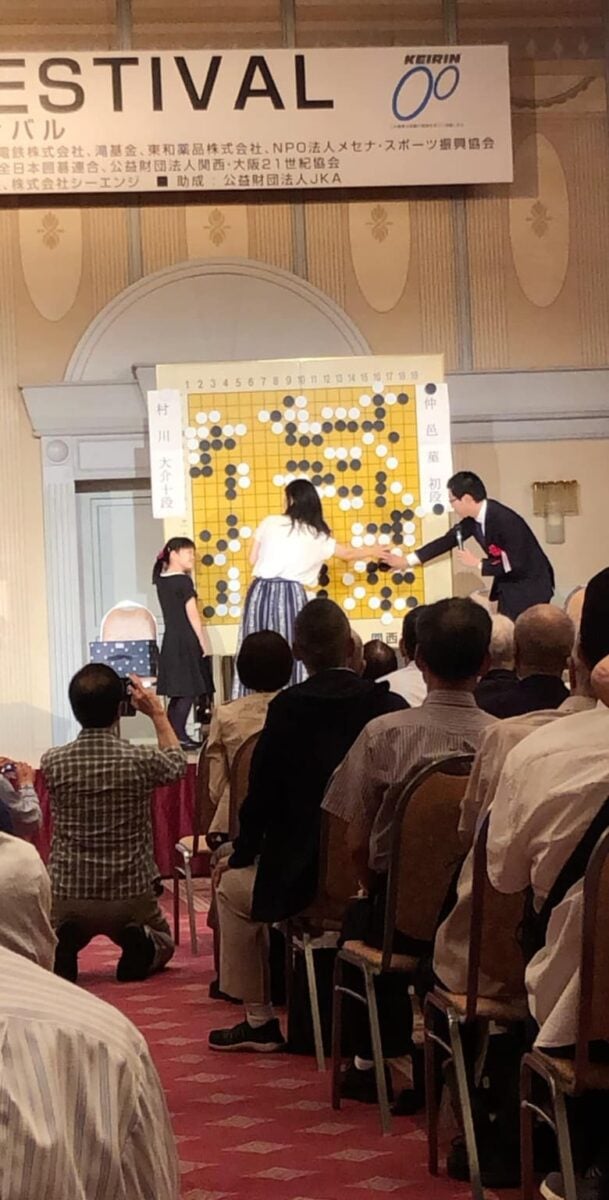
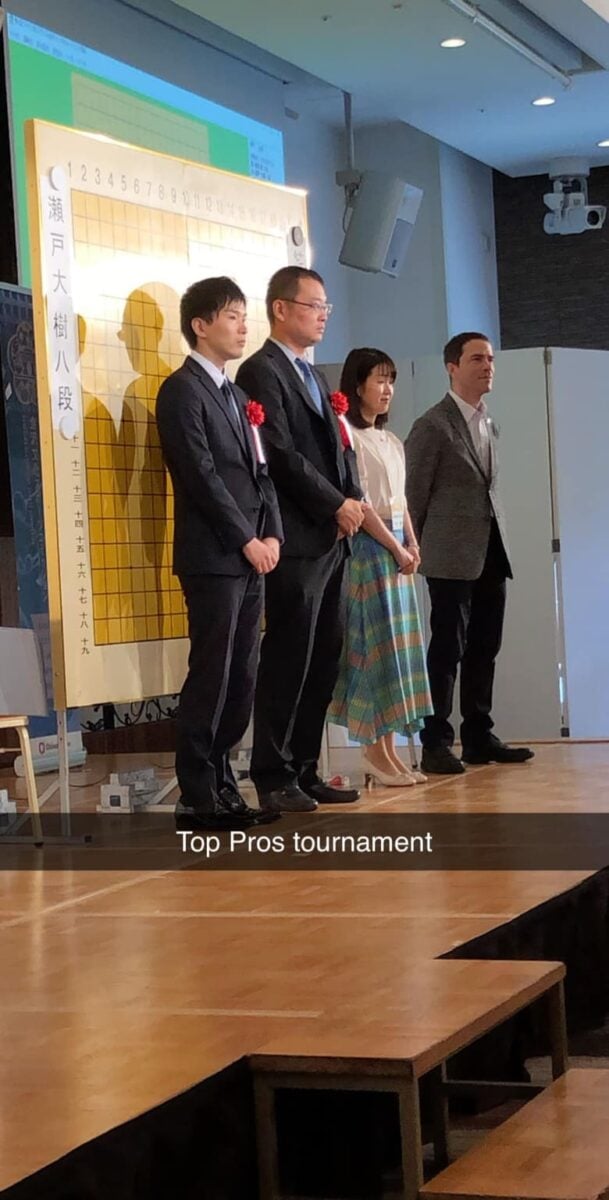
In 2019, I attended the World Go Festival which brought top players together for educational panels and exhibition matches.
While the locations vary from year to year, there is generally an opportunity for a two-day excursion to visit such places. In 2026, the itinerary is to visit Hiroshima and Innoshima (where the Shusaku Igo Memorial Museum is located). One of my fondest memories was visiting the museum with the group – it is one thing to experience such a pilgrimage by oneself but the awe, wonder, and amazement is only amplified by being surrounded with kindred spirits who share the same passion for the sheer history and love of the game.
Why You Should Go
Realistically, you won’t become pro by attending the camp. Trust me, I’ve been six times by now and I’m barely European 3d. However, the balance of learning, experiencing Japan, and making friends not only with professional Go players (who may or may not invite you to play with Insei and join in on some intense study sessions).
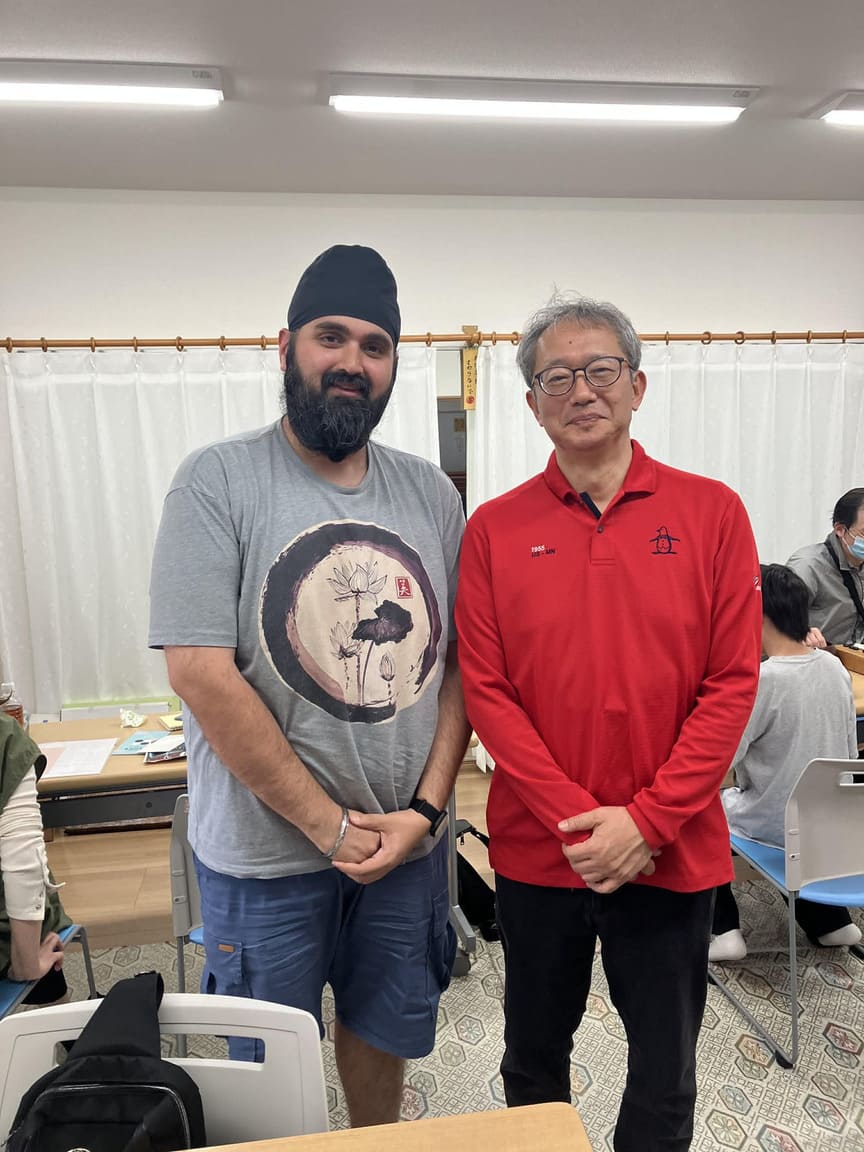
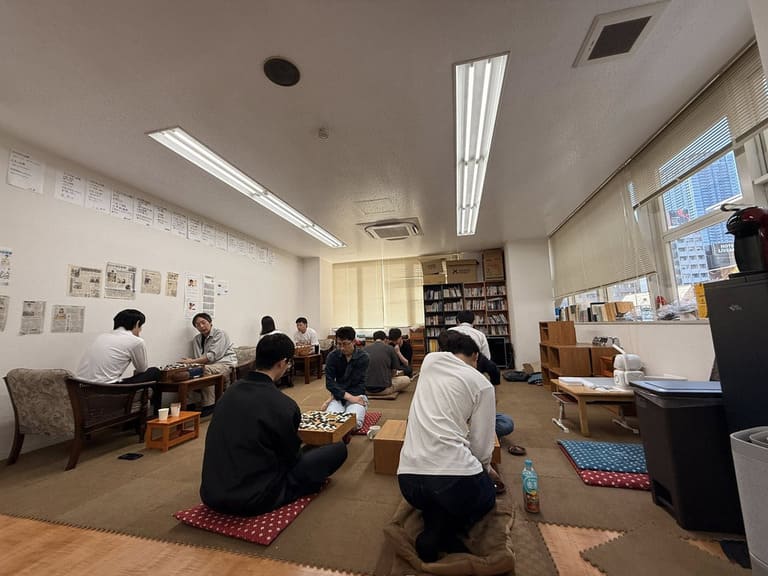
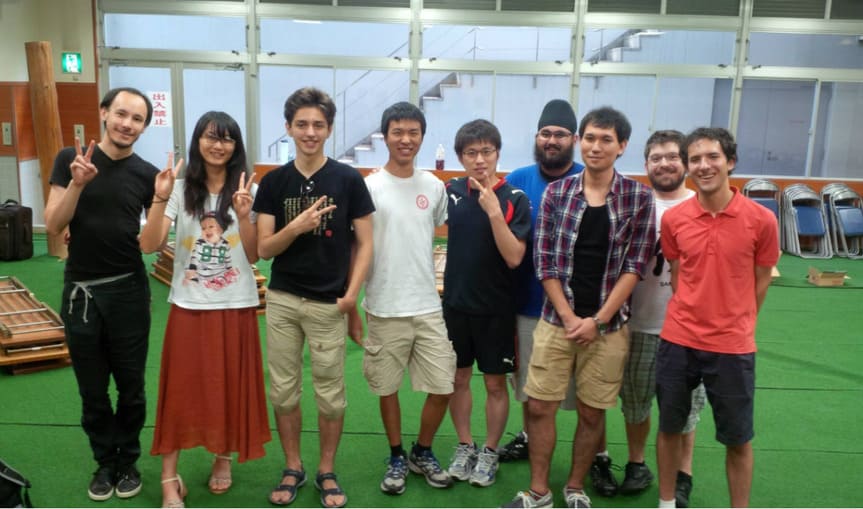
But with other campers from around the world…it’s not a memory I will soon forget. It even inspired me to learn Japanese (which is a bonus but absolutely not required to benefit from the camp).
At the risk of ending this piece with one of the most cliche phrases, allow me to leave you with this. The camp is amazing, the Go is wonderfully challenging and engaging, but the most special thing? It’s the friends you make along the way.


What an enjoyable read, you can feel the enthusiasm while reading it! This put a smile on my face.