
Honinbo
Importance: ★★☆
A prestigious contemporary title and a historic institution
Honinbo signifies both a historic Go institution and a prestigious contemporary title. Established in 1612 by the Buddhist monk Nikkai, the Honinbo house became one of Japan’s four major Go schools during the Edo Period. Nikkai, later known as Honinbo Sansa, was appointed the official Go instructor to the shogunate, solidifying the school’s prominence.
Throughout its existence, the Honinbo house was instrumental in advancing Go strategy and pedagogy. It produced numerous distinguished players, including Honinbo Dosaku, whose contributions to Go theory remain influential. The house’s prominence persisted until the early 20th century.
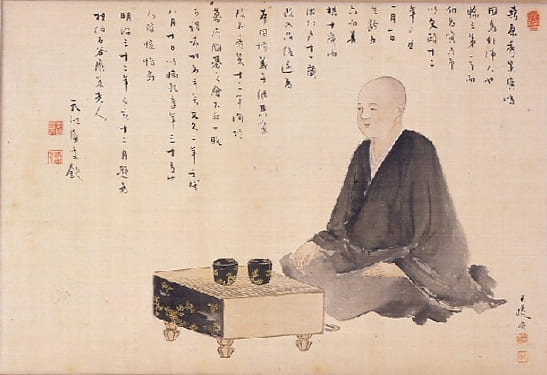
In 1936, the 21st head, Honinbo Shusai, dissolved the institution, transferring the title to the Nihon Ki-in to be contested as a tournament. This ensured that the Honinbo legacy would continue in a modern competitive format.
Modern Relevance
Today, the Honinbo tournament stands as the oldest and one of the most esteemed Go competitions in Japan. The tournament follows a rigorous structure:
- Challenger Tournament: Players compete in preliminary rounds to reach the final 16-player knockout stage, whose winner becomes the challenger for the title. The famous round-robin Honinbo League was abolished starting with the 79th Honinbo in 2023.
- Title Match: : The challenger faces the reigning Honinbo in a best-of-five series of one-day games, with three hours of thinking time per player.
Victors of the Honinbo title often adopt an honorary name, continuing the tradition of the historical Honinbo house. This practice underscores the deep respect for Go’s heritage and the title’s prestige.
Notable Honinbo Titleholders
- Honinbo Shusaku: Often referred to as the “Saint of Go,” Shusaku is renowned for his undefeated streak in the annual castle games and his profound influence on Go strategy and theory. His innovative playing style continues to be admired by Go players worldwide.
- Honinbo Shusai: The 21st and final hereditary head, pivotal in transitioning the title to a tournament format.
- Takagawa Kaku: Dominated the title from 1952 to 1961, securing nine consecutive victories.
- Sakata Eio: Held the title from 1961 to 1967, known for his aggressive playing style and significant contributions to Go literature.
- Cho Chikun: Won the title twelve times — first in 1981, then ten years in a row from 1989 to 1998 — showcasing exceptional skill and longevity.
- Iyama Yuta: A modern prodigy, Iyama secured the Honinbo title in 2012 and has maintained a dominant presence in the Go world, holding multiple major titles simultaneously.
If you want to know more about Japan’s Go titles, read our article: Japan’s Most Prestigious Go Titles.